
Free-living amoebae
Free-living Amoebae
Editor: Natasha Spottiswoode, Jacob Lorenzo-Morales
Overview of free-living amoebae (FLA)
FLA are protozoa that live in the environment, such as in water and soil, and feed on other microorganisms. Only a small proportion of FLA are pathogenic to humans, and infections by these FLA are exceptionally rare – but they are exceptionally deadly, causing some of most morbid infectious syndromes known to mankind, with mortality rates that can exceed 90%. In this lesson we will describe three amoebae - Naegleria fowleri, Acanthamoeba spp., and Balamuthia mandrillaris. All of them have a cyst and a trophozoite stage, and Naegleria fowleri has an additional flagellate stage. If you are a parasite superfan, you will appreciate knowing that there are other pathogenic FLA like Sappinia species and others, which we don’t have time to describe.
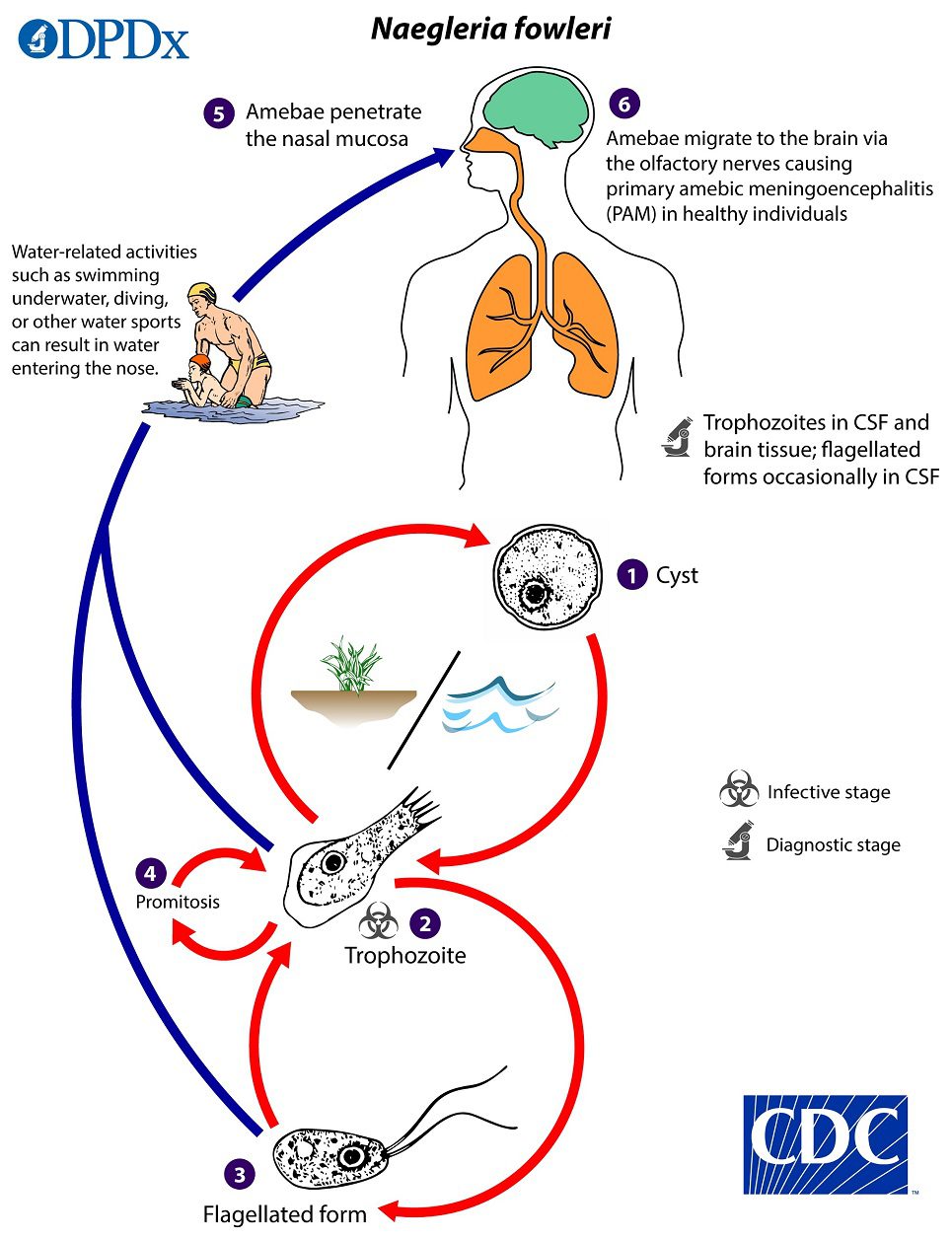
Figure 1. N. fowleri life cycle (obtained from DPDx, CDC, of public domain)
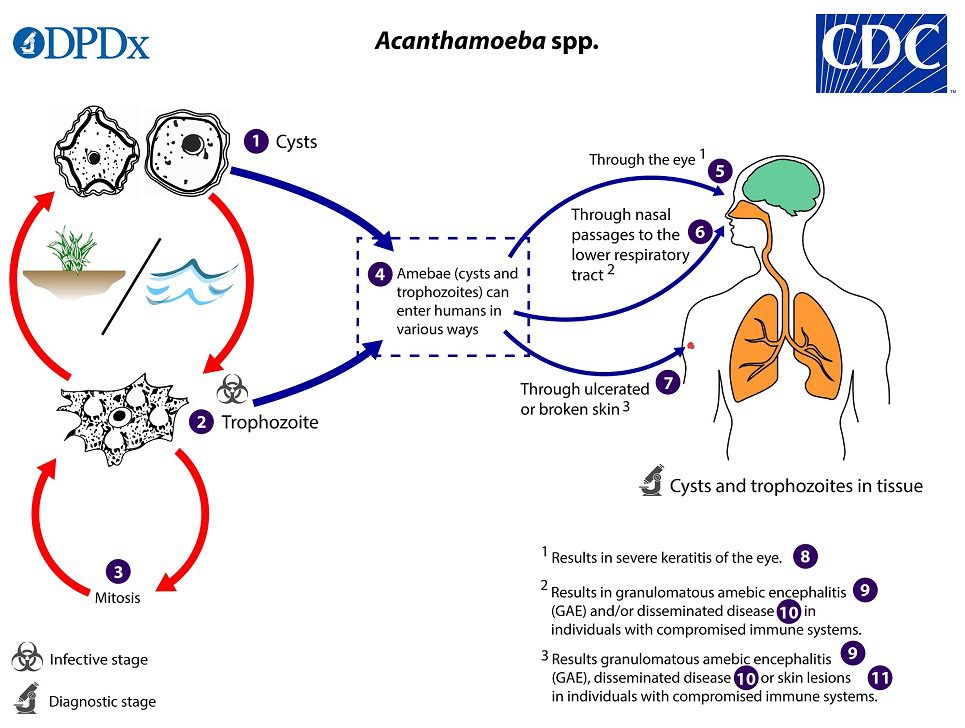
Figure 2. Acanthamoeba spp life cycle (obtained from DPDx, CDC, of public domain)
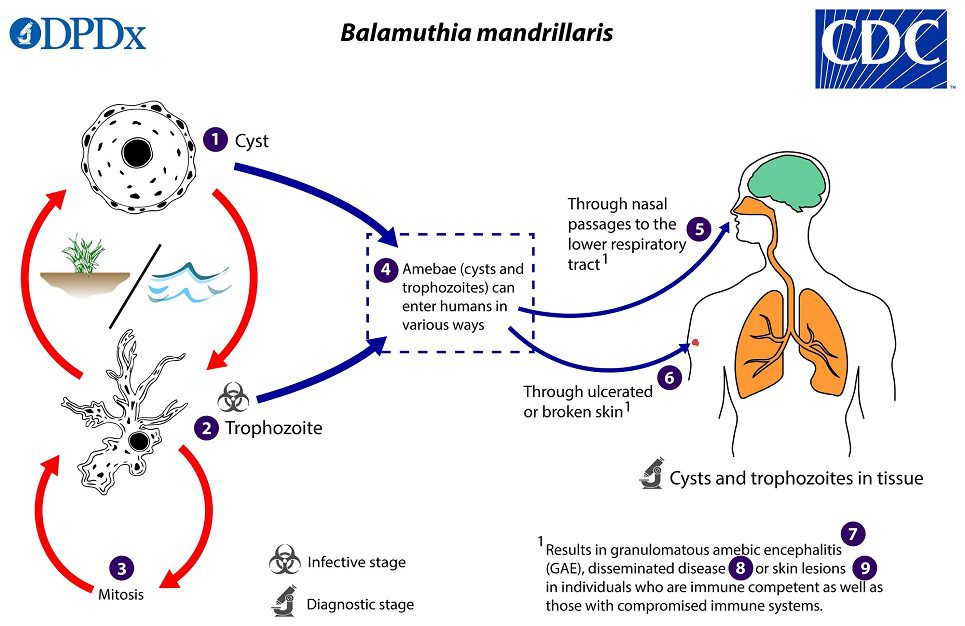
Figure 3. B. mandrillaris life cycle (obtained from DPDx, CDC, of public domain)
| Naegleria fowleri | Acanthamoeba | Balamuthia mandrillaris | |
| Route of entry | Cribiform plate | Skin, Lungs | Skin |
| Onset | Acute | Subacute/Chronic | Subacute/Chronic |
| Risk factors | Warm water exposure | Water exposure, Soil, Immunosuppression. Contact lenses (only for keratitis) | Soil exposure |
| Clinical spectrum (“buzzwords”) | PAM | GAE Keratitis |
GAE Skin disease |
Other Media Resources (Optional)
References
This lesson was last updated November 6 2025