English
  Spanish
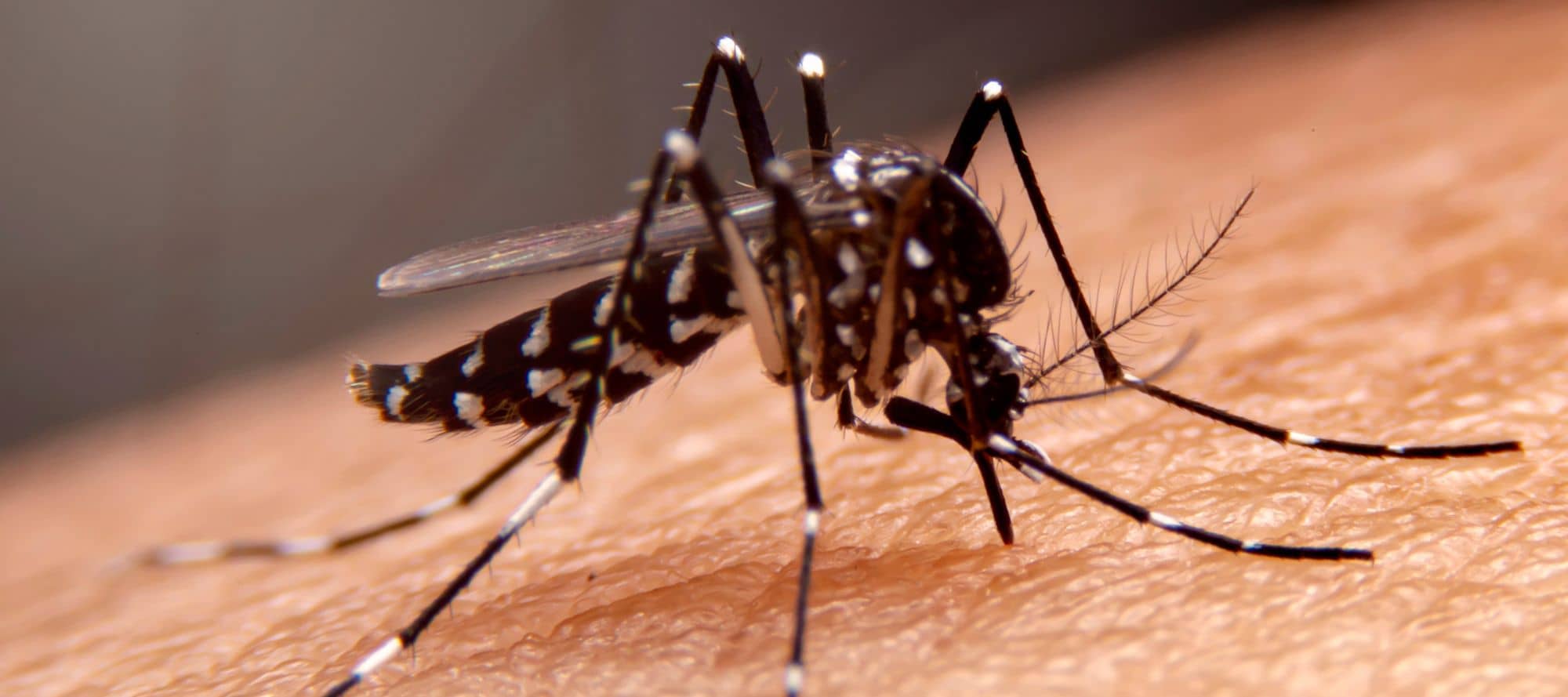
Ivermectin to Control Malaria — A Cluster-Randomized Trial
Authors conducted a cluster-randomized trial in Kwale, a county in coastal Kenya in which malaria is highly endemic and coverage and use of insecticide-treated nets are high. Clusters of household areas were randomly assigned in a 1:1 ratio to receive mass administration of ivermectin (400 μg per kilogram of body weight) or albendazole (400 mg, active control) once a month for 3 consecutive months at the beginning of the “short rains” season. Children 5 to 15 years of age were tested for malaria infection monthly for 6 months after the first round of treatment. The two primary outcomes were the cumulative incidence of malaria infection (assessed among children 5 to 15 years of age) and of adverse events (assessed among all eligible participants). They found that among children 5 to 15 years of age who were living in an area with high coverage and use of bed nets, ivermectin, administered once a month for three consecutive months, resulted in a 26% lower incidence of malaria infection than albendazole. No safety concerns were identified.
Relative Effectiveness of High-dose versus Standard-dose Influenza Vaccine against Hospitalizations and Mortality According to Frailty Score: A Post-hoc Analysis of the DANFLU-1 Randomized Trial
These are the results of a post-hoc analysis of the randomized feasibility trial of HD-IIV versus SD-IIV conducted during the 2021–2022 influenza season in older adults aged 65-79 years. They assessed prespecified outcomes including hospitalizations and mortality, and broke the vaccines into those having high versus low frailty scores. Frailty score (FS) was calculated according to the Hospital Frailty Risk Score26 (HFRS) based on ICD-10 codes for comorbidities. HD-IIV was associated with a lower risk of first and recurrent hospitalizations for pneumonia and influenza compared with SD-IIV irrespective of frailty status
Accelerated Vascular Ageing after COVID-19 Infection: The CARTESIAN Study
These are results from a prospective, multicentric, cohort study that included 34 centers in 16 countries worldwide, in four groups of participants: COVID-19-negative controls (ⅰ) and three groups of individuals with recent (6 ± 3 months) exposure to SARS-CoV-2: not hospitalized (ⅱ), hospitalized in general wards (ⅲ), and hospitalized in intensive care units (ⅳ). The main outcome was carotid-femoral pulse wave velocity (PWV), an established biomarker of large artery stiffness. 2,390 individuals (age 50 ± 15 years, 49.2% women) were recruited. After adjustment for confounders, all COVID-19-positive groups showed higher PWV (+0.41, +0.37, and +0.40 m/s for groups 2–4, P < .001, P = .001 and P = .003) vs. controls [PWV 7.53 (7.09; 7.97) m/s adjusted mean (95% CI)]. In sex-stratified analyses, PWV differences were significant in women [PWV (+0.55, +0.60, and +1.09 m/s for groups 2–4, P < .001 for all)], but not in men. Among COVID-19 positive women, persistent symptoms were associated with higher PWV, regardless of disease severity and cardiovascular confounders .
Situation Dashboards

World Health Organization (WHO)

Johns Hopkins University (JHU)

COVID-19 in US and Canada