English
  Spanish
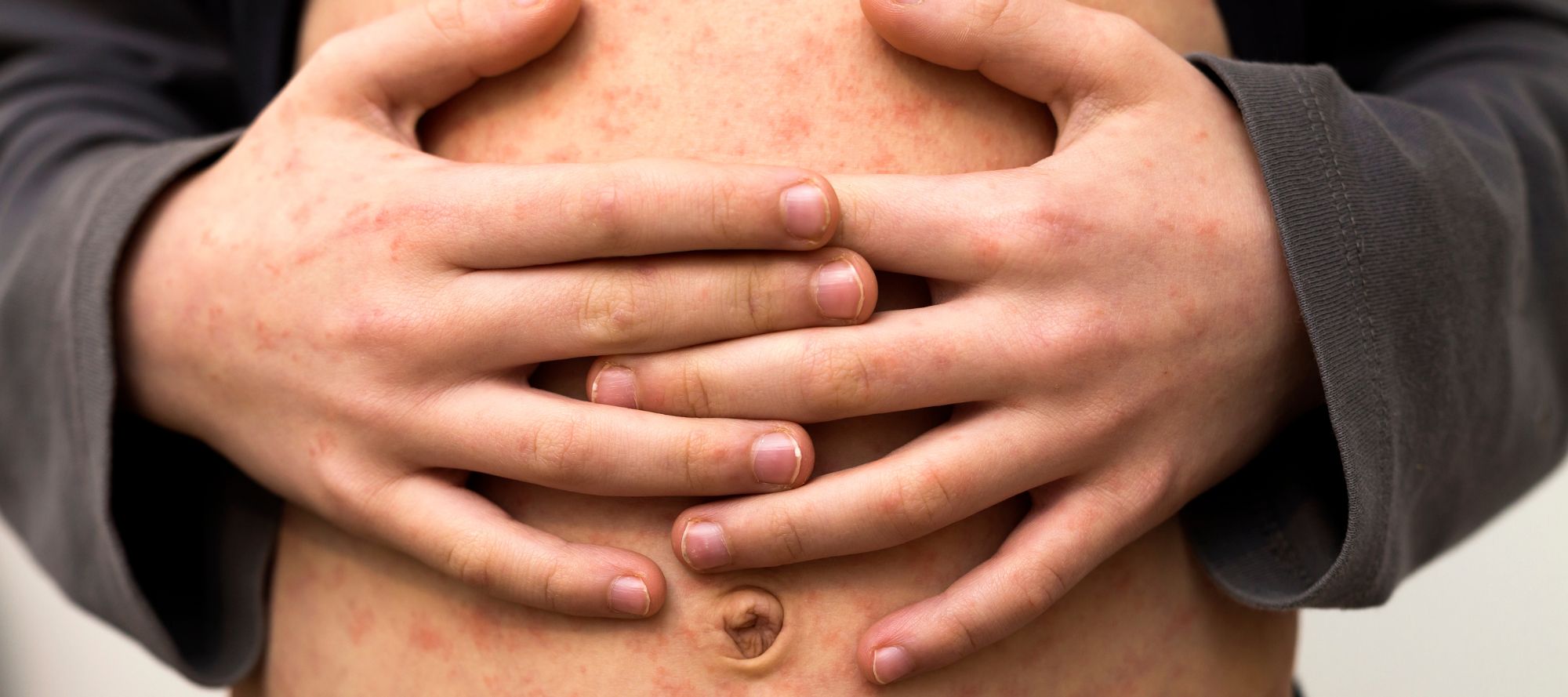
Measles Without Rash During Acute Febrile Illness Surveillance in Tanzania, 2023-2024
Study enrolled 258 cases of acute fever and 48 controls admitted to one hospital in Tanzania for one year starting February 2023. Blood was tested by blood culture, PCR for 35 pathogens, and serology for 6 pathogens. The leading pathogen detected in cases was measles, with 70/258 cases detected by PCR, 74/238 by IgM serology, and 91 allowing either method. Other pathogens were detected in <5% of cases including, in descending order, Plasmodium, Schistosoma, Bartonella, among others. Measles was the only pathogen clearly associated with cases versus controls. Only 58/91 (64%) measles cases were clinically suspected and only 56/91 (62%) met the WHO definition of a clinical measles case, largely because 27/91 (30%) measles cases did not have recorded rash.
Susceptibility of Measles Virus to WHO Hand Rubs, Oral and Surface Disinfectants
This study tested virus inactivation by common oral rinses, as primary transmission occurs via aerosols and droplets, using a quantitative suspension assay in accordance with European guidelines. They further evaluated WHO-recommended hand rub formulations based on ethanol and 2-propanol with the same assay. After confirming that measles virus remains viable for several hours on stainless steel, we also assessed the efficacy of surface disinfectants, including alcohol-, aldehyde-, and hydrogen peroxide–based products. They found that the virus was effectively inactivated by WHO-recommended hand rub formulations, oral rinses, and surface disinfectants, demonstrating the effectiveness of standard hygiene measures in infection control. The authors suggest that “These findings underscore the critical importance of consistent hygiene practices in limiting measles transmission.”
Estimated Vaccine Effectiveness for Respiratory Syncytial Virus–Related Acute Respiratory Illness in Older Adults: Findings From the First Postlicensure Season
A retrospective test-negative case-control study of adults aged ≥60 years at Kaiser Permanente Southern California with ARI ED visits/hospitalizations, defined by International Classification of Diseases, Tenth Revision discharge code, from 24 November 2023 to 9 April 2024. Case patients tested positive for RSV. Controls in the primary analysis tested negative for RSV, human metapneumovirus, influenza, and severe acute respiratory syndrome coronavirus 2 and positive for a non–vaccine-preventable pathogen. Overall, 8,965 ARI ED visits/hospitalizations with RSV testing were included; 7.8% of patients were RSV positive, among whom 0.3% had received RSVpreF, compared with 3.6% of controls. The adjusted VE was 92% (95% confidence interval, 64%–98%). Authors estimated similar VE among patients with risk conditions (92% [95% confidence interval: 65%–98%]), the oldest subgroup (age ≥75 years; 95% [60%–99%]), those with critical outcomes (intensive care unit admission, mechanical ventilation, respiratory failure, vasopressor use, or death; 90% [16%–99%]), and those with severe disease (defined as ED visit or hospitalization requiring oxygen; 92% [35%–99%]).
Effectiveness of Colchicine for the Treatment of Long COVID: A Randomized Clinical Trial
This was a double-blind, 1:1 randomized clinical trial that recruited participants with confirmed SARS-CoV-2 infection and persistent symptoms from eight hospitals in six states in India between January 2022 and July 2023. Individuals were eligible if they had functional limitation (Post–COVID-19 Functional Status scale grade 2 or more) and/or elevated inflammatory markers (high-sensitivity C-reactive protein >0.20 mg/dL and/or neutrophil to lymphocyte ratio >5). Outcomes were assessed at 12, 26, and 52 weeks after randomization. Data were analyzed from January to February 2025. The primary outcome was the change in distance walked during a 6-minute walk test from baseline to 52 weeks. At 52 weeks, there was no difference in mean (SD) change in 6-minute walk test distance between the colchicine and placebo groups. Similar null findings were seen across all predefined outcomes.
Situation Dashboards

World Health Organization (WHO)

Johns Hopkins University (JHU)

COVID-19 in US and Canada