English
  Spanish
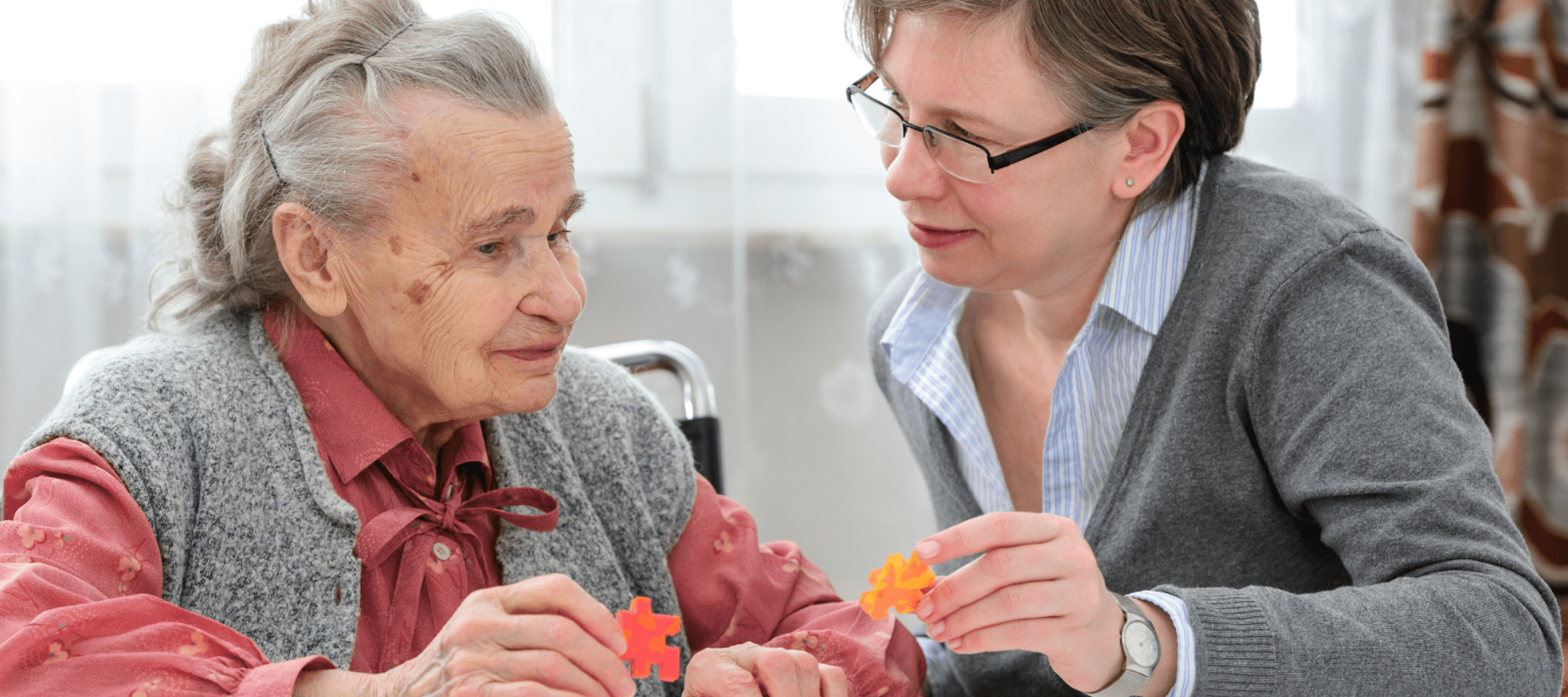
The Effect of Shingles Vaccination at Different Stages of the Dementia Disease Course
This study suggests that HZ vaccination slows or prevents disease progression across the entire disease course (as far as it can be feasibly ascertained from electronic health record data) of dementia. By taking advantage of the fact that the UK’s National Health Service assigned individuals who differed in their age by just a few weeks to being eligible or ineligible for HZ vaccination based on their date of birth, authors were able to generate evidence that is more likely to be causal than those from more standard epidemiological analyses. Their finding that HZ vaccination had a beneficial effect on two different dementia-related outcomes in two different patient samples—and at two opposing ends of the disease course of dementia—thus provides promising evidence that HZ vaccination may prevent or slow the dementia disease process in a substantial proportion of individuals.
Noninferiority of One HPV Vaccine Dose to Two Doses
Here investigators assessed whether one dose of an HPV vaccine was noninferior to two doses. Girls 12 to 16 years of age were randomly assigned, in a 1:1:1:1 ratio, to receive one or two doses of a bivalent HPV vaccine or one or two doses of a nonavalent HPV vaccine. The primary end point was new HPV type 16 or 18 infection occurring from month 12 to month 60 and persisting for at least 6 months. The prespecified noninferiority margin was 1.25 infections per 100 participants. They also assessed vaccine effectiveness by comparing HPV16 or HPV18 infection among the trial participants with that among girls and women enrolled in a nonrandomized survey. A total of 20,330 participants were enrolled and underwent randomization, and 3,005 unvaccinated participants were enrolled in the survey. The noninferiority analysis showed that one vaccine dose was noninferior to two doses in preventing HPV16 or HPV18 infection. The vaccine effectiveness was at least 97% in each of the four trial groups. No safety concerns were identified.
SARS-CoV-2 Infection Versus Vaccination During Pregnancy: Implications for Placental Antibody Transfer
These are the results of a prospective, multicenter, observational study of SARS-CoV-2-infected and/or vaccinated pregnant people and their infants. Authors collected maternal and cord blood samples at delivery and neonatal/infant samples at delivery, 1, 2, 6 and 12 months of age. Receptor Binding Domain (RBD) and Spike immunoglobulin G antibody titers were measured by Enzyme Linked Immunosorbent Assay (ELISA). They analyzed differences in antibody transfer according to infection versus vaccination, adjusted for trimester of gestation. They collected blood samples from 193 pregnant people (infected = 96, vaccinated = 60 and infected and vaccinated = 37) and 154 infants (n = 76, n = 47 and n = 31, respectively). At birth, RBD median (interquartile range) log10 ng/mL antibody titers of infants from vaccinated-only [4.28 (3.48–4.80)] and from infected-and-vaccinated mothers [4.61 (4.27–4.93)] were higher than from infected-only mothers [2.20 (0.10–3.30); P < 0.001]. Differences persisted through 6 months of age. Median (interquartile range) transplacental antibody transfer ratio was higher in vaccinated-only [2.94 (1.34–3.74)] versus infected-only pregnant people [1.19 (0.33–2.52); P < 0.01]. Spike antibodies showed similar results. Linear regression analysis showed that mean RBD and Spike antibodies transfer ratios were higher in infants from vaccinated-only versus infected-only mothers, adjusted for trimester of infection or vaccination.
Distinct Brain Alterations and Neurodegenerative Processes in Cognitive Impairment Associated with Post-acute Sequelae of COVID-19
Investigators analyzed blood proteins and brain MRI from individuals approximately one year after mild COVID-19, categorized as Cog-PASC (with cognitive impairment), Other-PASC (without cognitive impairment), or non-PASC controls, across exploration, covariate-matched, and independent validation cohorts. In the exploration cohort, Cog-PASC showed elevated astroglial damage–associated proteins and structural and microstructural alterations across multiple cortical and subcortical regions, including cortical thinning in the cingulate and insular cortices, increased paramagnetic susceptibility in the hippocampus, and enlarged choroid plexus volume. In the age-, sex-, and education–matched cohort, cortical thinning and increased susceptibility in the cingulate remained significant. Blood proteomics revealed broader alterations involving oxidative stress responses and synaptic function in Cog-PASC, linked to neurodegenerative pathways. In the validation cohort, increased neuronal and astroglial damage-associated proteins, cortical thinning in the cingulate and insular cortices, and increased hippocampal susceptibility were demonstrated, along with enlarged choroid plexus, confirming the reproducibility of these neurodegeneration-associated alterations. These findings suggest distinct neurodegenerative processes in Cog-PASC not observed in other-PASC subtypes, even after mild COVID-19 infection.
Situation Dashboards

World Health Organization (WHO)

Johns Hopkins University (JHU)

COVID-19 in US and Canada