English
  Spanish
Clinical and Epidemiological Investigation of Vaccine-Derived Poliovirus Type 2 Outbreak in Pakistan During 2019–2021
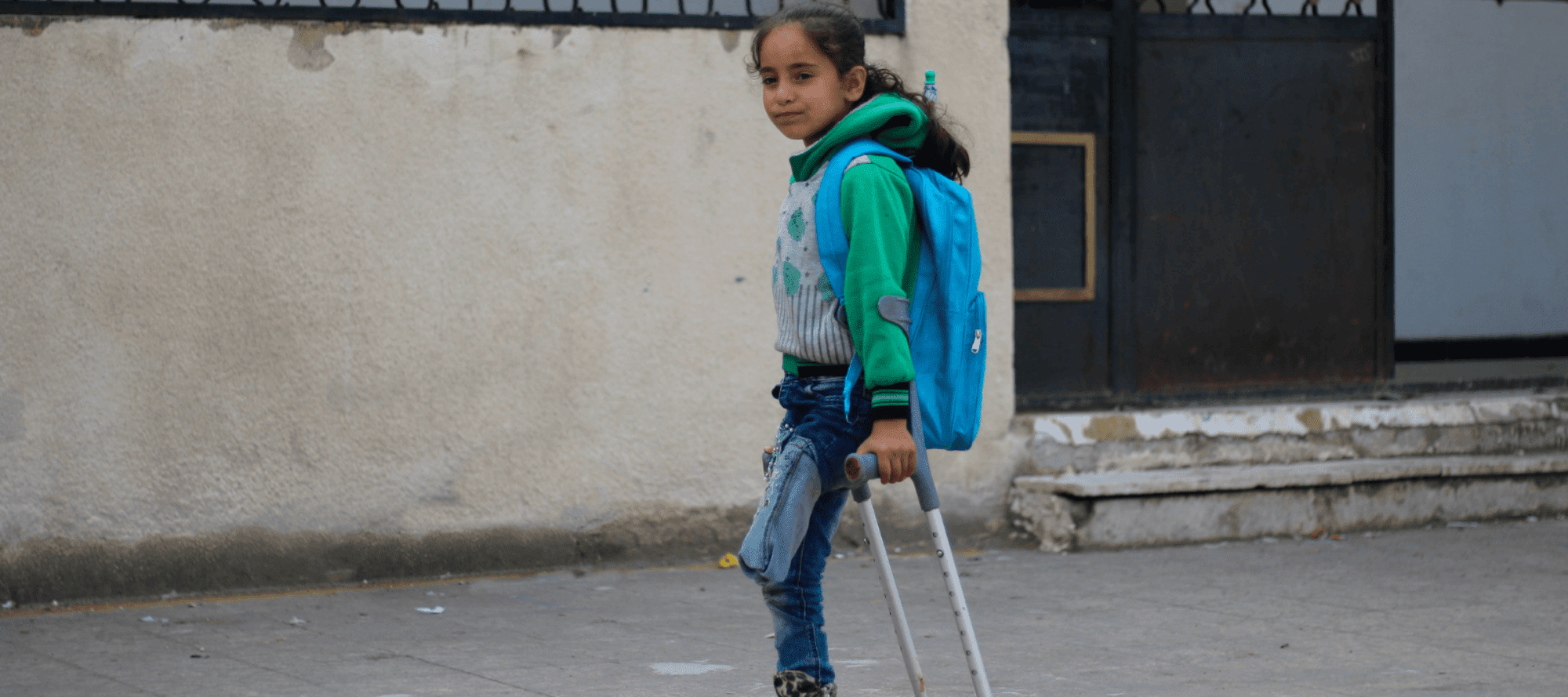
To mitigate the risk of circulating vaccine-derived poliovirus type 2 (cVDPV2) establishment and associated paralytic cases, oral polio vaccine 2 was globally withdrawn from the routine immunization schedule in 2016, soon after the certification of wild poliovirus type 2 eradication. Authors investigated the epidemiology of cVDPV2 outbreak and impact of type 2 immunization response in Pakistan to contain the transmission of poliovirus type 2 after trivalent to bivalent oral polio vaccine switch in 2016. Epidemiological, virological, and immunization data were assessed to ascertain the effectiveness of cVDPV2 outbreak response activities. A total of 35,724 paralytic cases and 2,804 sewage wastewater samples collected between July 2019 and March 2022 were tested for cVDPV2 detection. Circulating vaccine-derived poliovirus type 2 was identified in 0.5% (181/35 724) of paralytic cases and 11% (298/2804) of sewage wastewater samples. The cVDPV2 strains were grouped into 13 indigenous and 2 imported emergence groups. Fourteen vaccination rounds of oral poliovirus type 2 (monovalent oral polio vaccine/trivalent oral polio vaccine) and 5 rounds of inactivated poliovirus vaccine were conducted between September 2019 and December 2021, resulting in successful interruption of cVDPV2 transmission in ∼2 years.
COVID-19 vaccination status during pregnancy and preeclampsia risk: the pandemic-era cohort of the INTERCOVID consortium
Here pregnant women prospectively enrolled from 18 countries in two consecutive cohorts between 2020 and 2022 during the COVID-19 pandemic. Of 6,527 pregnant women, 2,166 (33.2%) were diagnosed with COVID-19 and 3,753 (57.5%) were unvaccinated. Of the 2,774 vaccinated women, 1795 (64.7%) received mRNA vaccines; 848 (30.6%) received the initial regimen plus a booster dose, of whom 66.6% received a booster with an mRNA vaccine. Overall, after adjusting for confounders, any vaccination gave a protective effect against PE during the index pregnancy (aOR: 0.85; 95% CI: 0.65–1.10), that was stronger with a booster dose (aOR: 0.67; 95% CI: 0.45–0.99). Among women with pre-existing morbidities who received a booster dose the odds were reduced by 58% (aOR: 0.42; 95% CI: 0.20–0.87) – an effect mainly observed in women diagnosed with COVID-19. Vaccination amongst women who received a booster dose was also associated with decreased odds of maternal (aOR: 0.68; 95% CI: 0.55–0.83) and perinatal (aOR: 0.71; 95% CI: 0.54–0.95) morbidity and mortality, and preterm birth (aOR: 0.67; 95% CI: 0.53–0.85).
Situation Dashboards

World Health Organization (WHO)

Johns Hopkins University (JHU)

COVID-19 in US and Canada