English
  Spanish
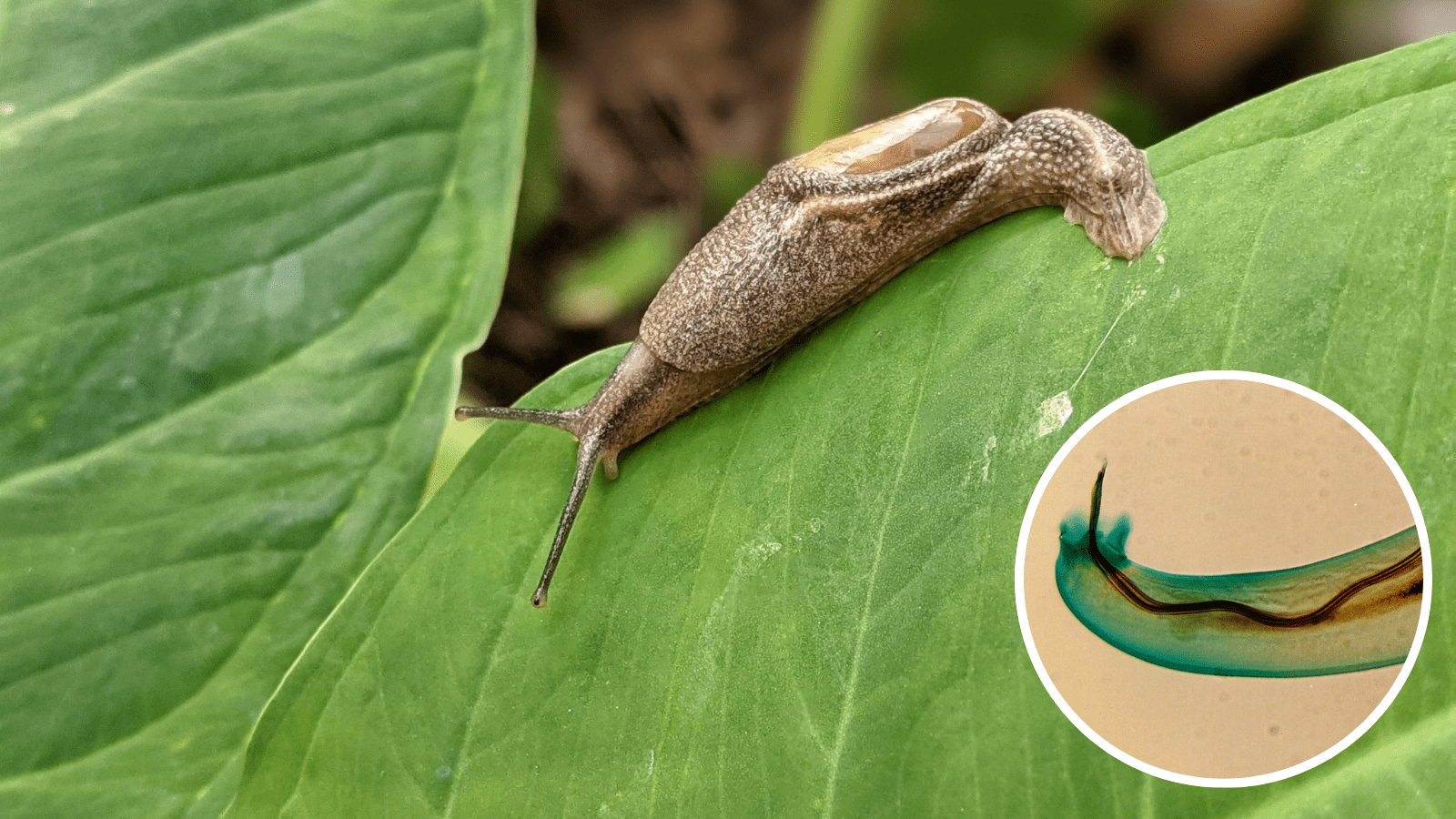
Angiostrongylus cantonensis is a parasite found in rats, commonly referred to as rat lungworm, and it's recently been found in animals in California. The Centers for Disease Control and Prevention’s (CDC) Emerging Infectious Diseases journal reported the infections in their February 2026 publication as an "emerging veterinary and public health concern."
Currently, the infection has been identified in rats, wild opossums, and a parma wallaby at a zoo in San Diego County. Rat lungworm attacks the central nervous system in humans and animals, causing progressive neurologic symptoms, including head shaking, rapid eye movements, central blindness, paralysis, ataxia, and others.
For Dr. Daniel Griffin, MD, PhD, Co-Founder and President of Parasites Without Borders (PWB), the spreading of parasitic diseases is an ever-present concern.
“Our world is becoming more interconnected every day, and with a growing population, rapid climate change, economic inequality, and social unrest, we're seeing a perfect breeding ground for parasites,” he shares.
PWB is a global health nonprofit based in New York City that offers free educational resources to aid in alleviating the ever-spreading burden of parasitic diseases.
“Our mission is to bring the latest medical and basic biological information pertaining to diseases caused by eukaryotic parasites to every practicing physician and medical student within the United States. With our resources, we can defend our world from needless suffering,” says Dr. Griffin.
While rat lungworm has most recently been identified in animals in San Diego County, it was found in Hawaii in the 1950s and in the southeastern United States since the 1980s.
“Angiostrongylus cantonensis was originally found in southern China in 1935, but as we see, it’s growing in its impact, and we want to be sure not only citizens are informed, but those in a position to apply medical knowledge have the education they need to direct it to the people and places that need it most,” shares Dr. Griffin.
Rat lungworm infections can be caused by eating raw or undercooked snails or slugs that are infected with the parasite. This can happen by accidentally consuming the host, or part of one, via unwashed produce, especially leafy greens. Symptoms can include headache, stiff neck, tingling or painful feelings in the skin, fever, nausea, and vomiting. The CDC reports there is potential to spread to other parts of the western continental United States, and the infections pose a “substantial risk” to humans and other accidental vertebrate hosts.
“If anyone thinks they or their pets or animals are infected, see your doctor or veterinarian right away,” says Dr. Griffin. “Early diagnosis and treatment management are important, and most recover over time.”
PWB is committed to providing free science education to all, and their textbooks are free to download. All resources, including certification exams, tropical medicine courses, podcasts, children’s books, and more, are available at ParasitesWithoutBorders.com.
Situation Dashboards

World Health Organization (WHO)

Johns Hopkins University (JHU)

COVID-19 in US and Canada