English
  Spanish
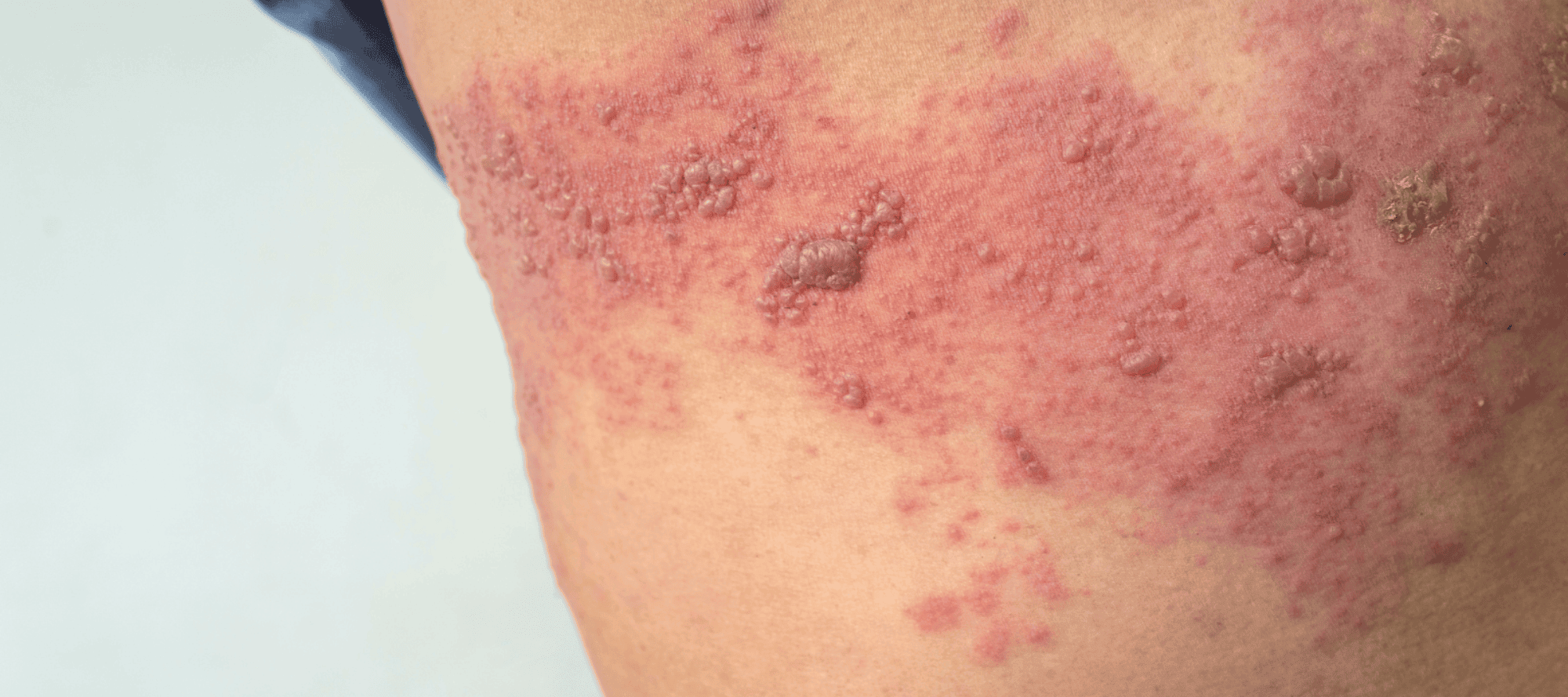
Recombinant Shingles Vaccination and the Risk of Cardiovascular Events
Authors conducted a natural experiment created by the rapid transition from the live attenuated to the recombinant shingles vaccine in the United States. They compared incidences of a composite cardiovascular endpoint (ischemic heart disease, heart failure or ischemic stroke) among adults aged ≥60 years vaccinated immediately before versus immediately after this transition. The recombinant vaccine was associated with a 9% decrease in cardiovascular burden over seven years (restricted mean time lost (RMTL) ratio = 0.91, 95% confidence interval (CI): 0.88−0.95). The association attenuated over time and was significant for ischemic heart disease (10% decrease in burden; RMTL ratio = 0.90, 95% CI: 0.87−0.94) and heart failure (12% decrease in burden; RMTL ratio = 0.88, 95% CI: 0.83−0.93) in both sexes and ischemic stroke in males (12% decrease; RMTL ratio = 0.88, 95% CI: 0.78−0.98). An association was also seen for atrial fibrillation (7% decrease in burden; RMTL = 0.93, 95% CI: 0.88−0.98) but not other cardiac, peripheral and cerebrovascular outcomes. These results justify clinical trials and mechanistic studies to investigate potential cardioprotective effects of shingles vaccines.
A Distinct Effector B Cell Population Drives Autoantibody Production in SARS-CoV-2 Infection
Autoantibodies (autoAbs) are linked to mortality and Long COVID, yet their cellular origins remain unclear. Authors analyzed the INCOV cohort and identified 12 age- and sex-matched participants with varying autoAb abundance and integrated single-cell RNA-seq and ATAC-seq data from B cells, plasma proteomics, proteome-wide autoAb profiling, clinical data, and in vitro assays. AutoAb abundance inversely correlated with neutralizing IgG and declined as infection resolved, paralleling the contraction of atypical memory B cells (AtMs). In vitro, AtMs preferentially differentiated into autoAb-producing antibody-secreting cells upon TLR7/8 stimulation. CD11c+ AtMs (double-negative 2, DN2s) in autoAb-high individuals exhibited increased TLR7 signaling, oxidative stress, and isotype switching, regulated by transcription factors T-bet and XBP1. Integrated genetic and genomic analyses showed that DN2s had the strongest enrichment for autoimmune trait heritability and inferred regulatory effects of autoimmune risk variants among B cell subsets. These findings identify DN2s as key precursors of autoAb-producing cells during SARS-CoV-2 infection.
Nirmatrelvir–Ritonavir Targeting Viral Persistence in Post-COVID-19 Condition (Long COVID) in the USA (RECOVER-VITAL): A Randomised, Double-blind, Placebo-controlled, Phase 2 Trial
These are the results of a trial involving adults who had developed persistent symptoms (≥12 weeks) associated with three major symptom phenotypes (cognitive, autonomic, or exercise) after acute SARS-CoV-2 infection at 69 U.S. sites. Between July 27, 2023, and Sept 6, 2024, 1,207 individuals were screened. Of these, 964 were randomly allocated and 959 participants, excluding four participants who were later found ineligible and one who did not initiate treatment, were enrolled in the three phenotypes: 332 to cognitive, 334 to autonomic, and 332 to exercise. Nirmatrelvir–ritonavir for 15 days or 25 days showed no evidence of benefit in Long COVID in any of the three phenotypes studied. This was true for the primary and the secondary endpoints.
Situation Dashboards

World Health Organization (WHO)

Johns Hopkins University (JHU)

COVID-19 in US and Canada