Spanish
  English
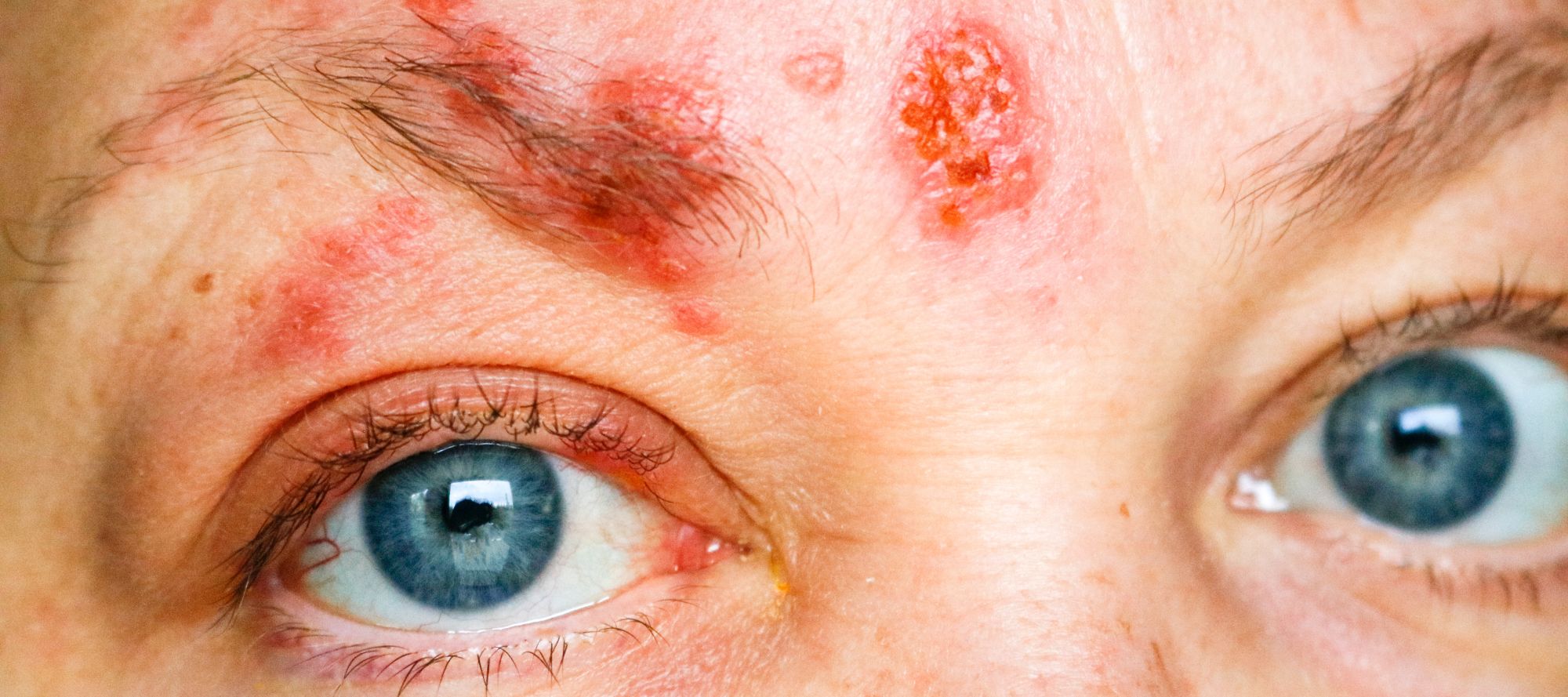
Adjuvanted Recombinant Zoster Vaccine is Effective Against Herpes Zoster Ophthalmicus, and is Associated with Lower Risk of Acute Myocardial Infarction and Stroke in Adults Aged ≥50 Years
Background: Herpes zoster (HZ) and HZ ophthalmicus (HZO) are associated with an increased risk of cardiovascular complications, such as acute myocardial infarction (AMI) and stroke. Here they evaluated the association between recombinant zoster vaccine (RZV) and risk of HZO, hospitalized AMI, and hospitalized stroke in adults ≥50 years of age (YoA) at Kaiser Permanente Southern California. They conducted a matched cohort analysis of adults ≥50 YoA who received two doses of RZV four weeks–six months apart during 1 April 2018 to 31 December 2020, and were matched 1:4 to RZV-unvaccinated individuals on age, sex, race/ethnicity, and index date (date of second dose among vaccinated; unvaccinated match assigned same date). They found that among 102,766 2-dose RZV-vaccinated and 411,064 unvaccinated adults, the adjusted hazard ratios (95% CI) of HZO, hospitalized AMI, and hospitalized stroke comparing RZV-vaccinated and unvaccinated individuals were 0.271 (95% CI: 0.222, 0.330), 0.720 (0.588, 0.881), and 0.575 (0.533, 0.619), respectively. The adjusted RZV effectiveness against HZO was 72.9% (67.0%, 77.8%). Conclusion: Among adults ≥50 YoA, two RZV doses were associated with a lower risk of HZO, AMI, and stroke.
Respiratory Viral Infections Awaken Metastatic Breast Cancer Cells in Lungs
These researchers demonstrate, in mice, that influenza and SARS-CoV-2 infections lead to loss of the pro-dormancy phenotype in breast dormant disseminated cancer cells (DCCs) in the lung, causing dormant disseminated cancer cell (DCC) proliferation within days of infection and a massive expansion of carcinoma cells into metastatic lesions within two weeks. They show that these phenotypic transitions and expansions are interleukin-6 dependent. They show that dormant disseminated cancer cells (DCCs) impair lung T cell activation and that CD4+ T cells sustain the pulmonary metastatic burden after the influenza infection by inhibiting CD8+ T cell activation and cytotoxicity. Crucially, these experimental findings align with human observational data. Analyses of cancer survivors from the UK Biobank (all cancers) and Flatiron Health (breast cancer) databases reveal that SARS-CoV-2 infection substantially increases the risk of cancer-related mortality and lung metastasis compared with uninfected cancer survivors.
Situation Dashboards

World Health Organization (WHO)

Johns Hopkins University (JHU)

COVID-19 in US and Canada