Spanish
  English
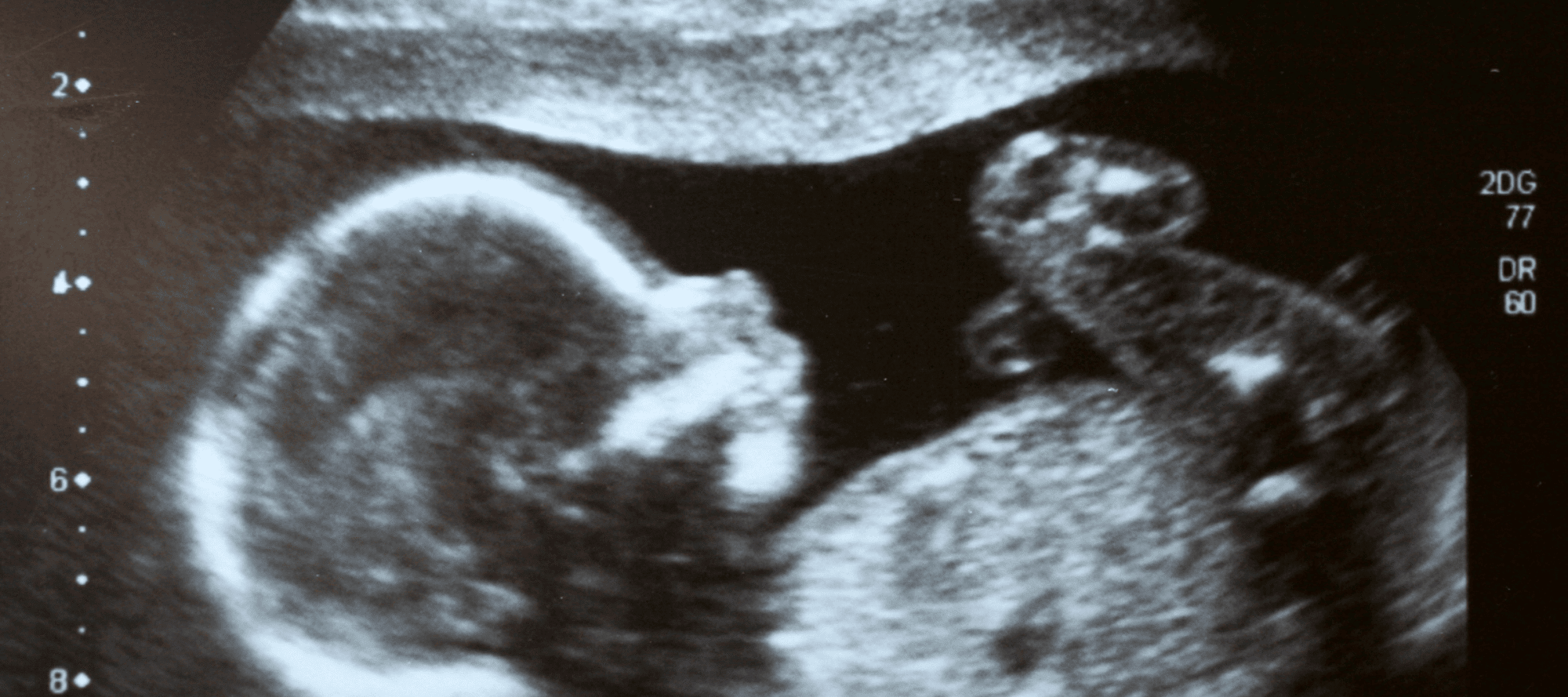
Effectiveness and Impact of Maternal RSV Immunization and Nirsevimab on Medically Attended RSV in US Children
Based on a test-negative case-control analysis, nirsevimab effectiveness was 81% and maternal vaccine effectiveness was 70% against RSV hospitalizations. Using population-based surveillance data, RSV hospitalization rates in 2024-2025 were reduced by an estimated 41% to 51% among newborns and infants aged 0 to 11 months compared to 2017-2020 rates or estimated expected rates in 2024-2025; the highest reduction of 56% to 63% occurred in newborns and infants aged 0 to 2 months. Meaning: Pediatric RSV prevention products are effective and reduced the burden of RSV-associated hospitalizations in newborns and infants during 2024-2025
The Role of Vaccination in Maternal and Perinatal Outcomes Associated With COVID-19 in Pregnancy
Authors looked at population-level surveillance of pregnant individuals infected with SARS-CoV-2 and their infants using the CANCOVID-Preg database between April 5, 2021 (beginning of the Delta variant time period and initiation of recommendations for vaccination in pregnancy in Canada), and December 31, 2022. This study (n = 19 899) demonstrated that among individuals with SARS-CoV-2 in pregnancy, COVID-19 vaccination was associated with a lower risk of maternal hospitalization (Delta: relative risk [RR], 0.38; Omicron: RR, 0.38) and critical care unit admission (Delta: RR, 0.10; Omicron: RR, 0.10), as well as preterm birth (Delta: RR, 0.80; Omicron: RR, 0.64) in both the Delta and Omicron variant time periods. Meaning: COVID-19 vaccination is associated with a lower risk of severe disease and preterm birth regardless of variant time period.
The COVID Generation: The Neurodevelopmental Consequences of In-utero COVID-19 Exposure
This study prospectively recruited 142 mother baby dyads, 103 from a normative prepandemic cohort and 39 pairs who had been exposed to the SARS-CoV-2 virus during pregnancy. In utero viral exposure was associated with altered newborn regional brain volumes in the cortical gray matter (q = 0.001), subcortical gray matter (q < 0.001), cerebral white matter (q = 0.005), and left hippocampus (q = 0.008). Viral exposure additionally was associated with lower cognition (q = 0.010) and social emotional (q = 0.001) scores on the BSID-III and higher scores on the internalizing domain (q = 0.040) of the ITSEA. In utero SARS-CoV-2 viral exposure was associated with decreased cognitive skills in toddlers at age 2, and this association was mediated by cortical gray matter volumes in the newborn brain. In addition, toddler cognitive scores further mediated an increase in toddler internalizing behaviors. These findings highlight the need for ongoing assessments for children born during the COVID-era.
Situation Dashboards

World Health Organization (WHO)

Johns Hopkins University (JHU)

COVID-19 in US and Canada