Spanish
  English
Comparison of 2 Doses vs 1 Dose in the First Season Children Are Vaccinated Against Influenza: A Systematic Review and Meta-Analysis
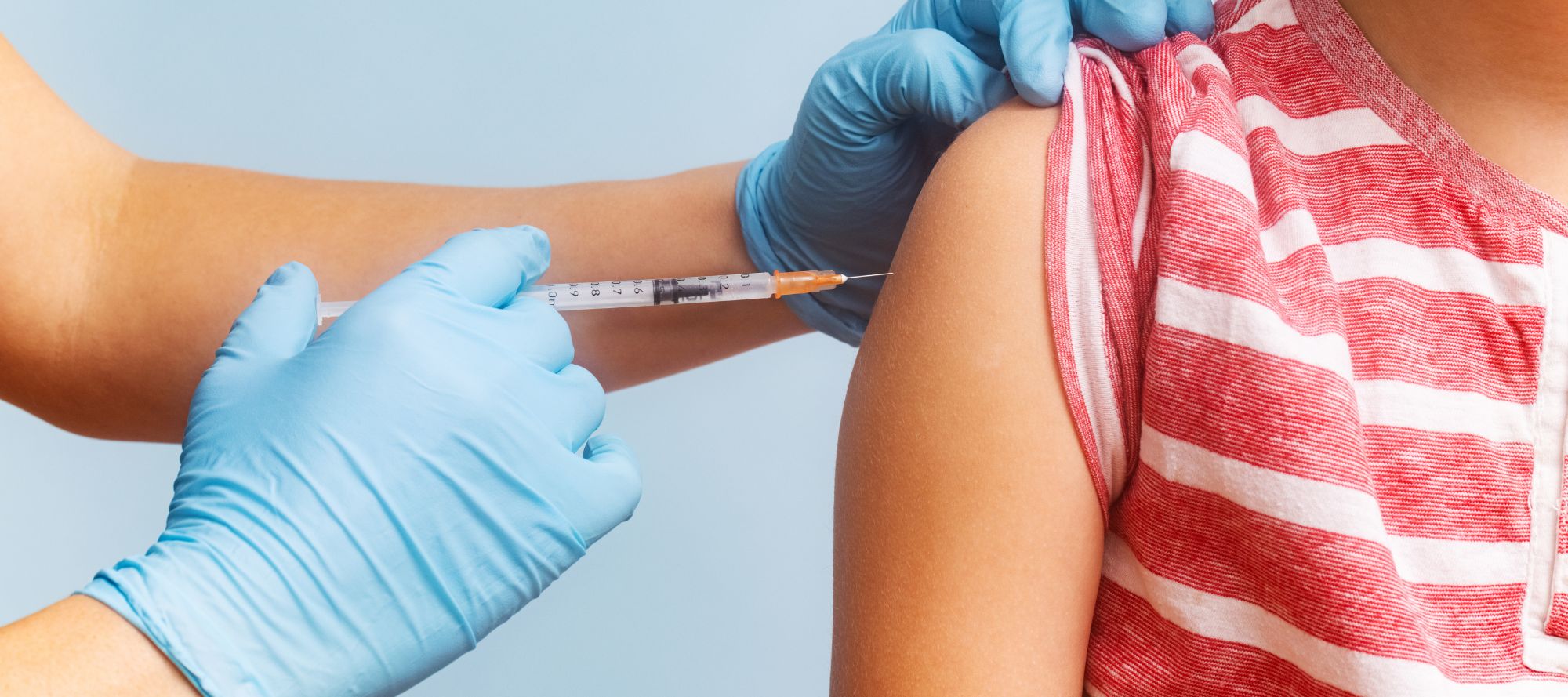
Researchers asked, “Does evidence support a two-dose schedule in the first year of vaccination for influenza vaccine–naive children younger than 9 years?” They performed a meta-analysis that included 51 studies with 415,050 participants to estimate the increase in vaccine effectiveness of a second inactivated influenza vaccine dose. The pooled absolute increase in vaccine effectiveness of a second inactivated influenza vaccine dose in the first year of vaccination was 15 percentage points (pp) (95% CI, −2.8 pp to 33 pp) for those younger than 9 years and 28 pp (95% CI, 4.7 pp to 51 pp) for children younger than 3 years. Insufficient estimates were available to assess the incremental benefit associated with a second dose of live attenuated influenza vaccine. Their findings suggest the second dose of inactivated influenza vaccine confers additional protection for influenza vaccine–naive children younger than 3 years but that the benefit attenuates with age.
Neonatal Outcomes Among Pregnant Women with COVID-19: A Systematic Scoping Review and Meta-analysis
PubMed was searched up to December 2022 to identify observational studies that reported neonatal outcomes among children delivered by mothers diagnosed with COVID-19 during pregnancy. Outcomes of interest included vertical transmission to neonates, neonatal intensive care unit (NICU) admission, and neonatal death. Qualitative analysis and meta-analysis were applied to summarize and synthesize the results. Out of an initial selection of 13,387 studies, 187 were included in this systematic scoping review. There was high heterogeneity in the epidemiologic study design, sample size, and outcomes of interest. Most studies focused on neonatal outcomes from birth to day 14 rather than the full neonatal period. Results of meta-analysis revealed that maternal COVID-19 infection was moderately associated with the risk of vertical transmission to neonates (Incidence Rate [IR], 2.66%; 95%CI, 2.11-3.35%), neonatal intensive care unit admission (IR, 16.43%; 95%CI, 14.59-18.45%), and neonatal death (IR, 1.29%; 95%CI, 0.95-1.74%), and these risks seemed to be increased with the severity of maternal COVID-19.
Retreatment With Nirmatrelvir/Ritonavir Following Return of COVID-19 Symptoms and SARS-CoV-2 Positivity
These results from a randomized, double-blind, placebo-controlled clinical trial evaluated the efficacy and safety of a second, five-day treatment course of nirmatrelvir/ritonavir versus placebo/ritonavir in participants with symptomatic mild to moderate COVID-19 with a positive SARS-CoV-2 rapid antigen test within 14 days of initial nirmatrelvir/ritonavir treatment. They enrolled 436 participants (292, nirmatrelvir/ritonavir; 144, placebo/ritonavir). The median time to sustained alleviation of all targeted signs/symptoms was eight versus nine days in the nirmatrelvir/ritonavir and placebo/ritonavir groups, respectively. A second, five-day course of nirmatrelvir/ritonavir resulted in a significant reduction in viral RNA levels at day fivve compared with placebo/ritonavir The median time to two consecutive negative RAT results was four versus five days, and the median time to sustained alleviation of all targeted signs/symptoms was eight versus nine days in the nirmatrelvir/ritonavir and placebo/ritonavir groups, respectively. Retreatment with nirmatrelvir/ritonavir was safe and well tolerated, and there were no occurrences of COVID-19−related hospitalizations or deaths. No clinical benefit of extended treatment was demonstrated.
Long COVID Associated with SARS-CoV-2 Reinfection Among Children and Adolescents in the Omicron Era (RECOVER-EHR): A Retrospective Cohort Study
These are results of a retrospective cohort study using data from 40 children's hospitals and health institutions in the USA participating in the Researching COVID to Enhance Recovery (RECOVER) Initiative. Included were patients younger than 21 years at the time of cohort entry; with documented SARS-CoV-2 infection after Jan 1, 2022; and who had at least one health-care visit within 24 months to seven days before the first infection. The second SARS-CoV-2 infection was confirmed by positive PCR, antigen tests, or a diagnosis of COVID-19 that occurred at least 60 days after the first infection. The primary endpoint was a clinician-documented diagnosis of PASC (U09.9). They identified 407 300 (87·5%) of 465 717 eligible children and adolescents with a first infection episode and 58 417 (12·5%) with a second infection episode from Jan 1, 2022, to Oct 13, 2023, in the RECOVER database. The incident rate of PASC diagnosis (U09.9) per million people per 6 months was 903·7 (95% CI 780·9–1026·5) in the first infection group and 1883·7 (1565·1–2202·3) in the second infection group. Reinfection was associated with a significantly increased risk of an overall PASC diagnosis (U09.9) (RR 2·08 [1·68–2·59]) and a range of symptoms and conditions potentially related to PASC (RR range 1·15–3·60).
Prevalence and Duration of Clinical Symptoms of Pediatric Long COVID: Findings From a One-year Prospective Study
These results are from a prospective cohort study involving 127 unvaccinated children aged 1 month to 18 years with Long COVID according to the WHO definition and confirmed SARS-CoV-2 infection. Participants were followed up at one-to–three, three-to-six, six-to-nine, and nine-to–12 months post-infection using an adapted ISARIC Global Pediatric COVID-19 Follow-Up Questionnaire. Persistent symptoms of Long COVID were reported in 85.8% of patients at three months, decreasing to 56.1% at nine months and 32.5% at 12 months. The most common long-term symptoms included fatigue (52.0%), reduced physical activity (44.1%), and headache (35.3%). Multivariable logistic regression showed that older age was significantly associated with a higher risk of decreased physical activity (OR = 1.51, p = 0.038), lack of energy (OR = 2.00, p = 0.003), neurological symptoms (OR = 1.86, p = 0.007), headache (OR = 4.51, p = 0.000), memory impairment (OR = 5.12, p = 0.000), difficulty communicating (OR = 4.28, p = 0.000), difficulty concentrating (OR = 2.74, p = 0.001), cardiological symptoms (OR = 2.34, p = 0.022), sensory symptoms (OR = 2.66, p = 0.011), and dizziness (OR = 10.02, p = 0.034). Younger age was associated with insomnia (OR = 0.49, p = 0.018). Female sex was significantly associated with a greater likelihood of lack of energy (OR = 2.55, p = 0.048). Hospitalization status was only significantly associated with muscle pain, with outpatients more frequently affected (OR = 0.28, p = 0.029). Overall, 32.5% of all participants continued to experience symptoms of Long COVID more than one year acute infection, with fatigue persisting in 19.8%, reduced physical activity in 13.9%, headache in 12.3%.
COVID-19 Infection Associated with Increased Risk of New-onset Vascular Dementia in Adults ≥50 Years
Authors looked at new-onset dementia (NOD), particularly vascular dementia (VaD) and Alzheimer’s disease (AD). They observed adults aged 50 years and older from the UK Biobank over a median observational period exceeding two years following COVID-19 infection. Incidences of various types of dementia (including all-cause dementia, AD, and VaD) in these individuals were compared with those in propensity-score-matched controls without COVID-19 and in individuals with non-COVID respiratory illnesses (including both non-communicable respiratory conditions and non-COVID respiratory tract infections). They found that COVID-19 survivors had a higher likelihood of developing NOD compared to uninfected controls. This increased risk was primarily driven by VaD rather than AD; however, the risk did not surpass that observed among individuals with non-COVID respiratory illnesses. Notably, individuals with pre-existing mental health conditions were particularly vulnerable, exhibiting significantly higher risks of VaD following COVID-19 infection. 105% increased risk of VaD after full covariate adjustment. However, when compared to individuals with non-COVID respiratory tract diseases, COVID-19 did not confer a significantly higher risk of dementia (including all-cause dementia, AD, and VaD), suggesting that the observed associations may reflect a broader impact of respiratory conditions on cognitive health rather than a COVID-19-specific effect.
Situation Dashboards

World Health Organization (WHO)

Johns Hopkins University (JHU)

COVID-19 in US and Canada