Spanish
  English
Common Neglected Parasitic Infections
There are billions of individuals who suffer from parasitic infections, and who have little hope of improving their lives without major public health intervention strategies — many of which emanate from outside the borders of the countries in which they live. Their lives are burdened with despair, anticipating illness and even eventual death caused by these unseen organisms. Because of the world into which they were born, these are realities that they simply are forced to accept — such as contaminated food and water — which are essentials that they have no choice but to consume because there are no alternatives. They run a daily risk of infection from organisms that can cause them great harm, and these infectious agents are ever-present. They know no borders.
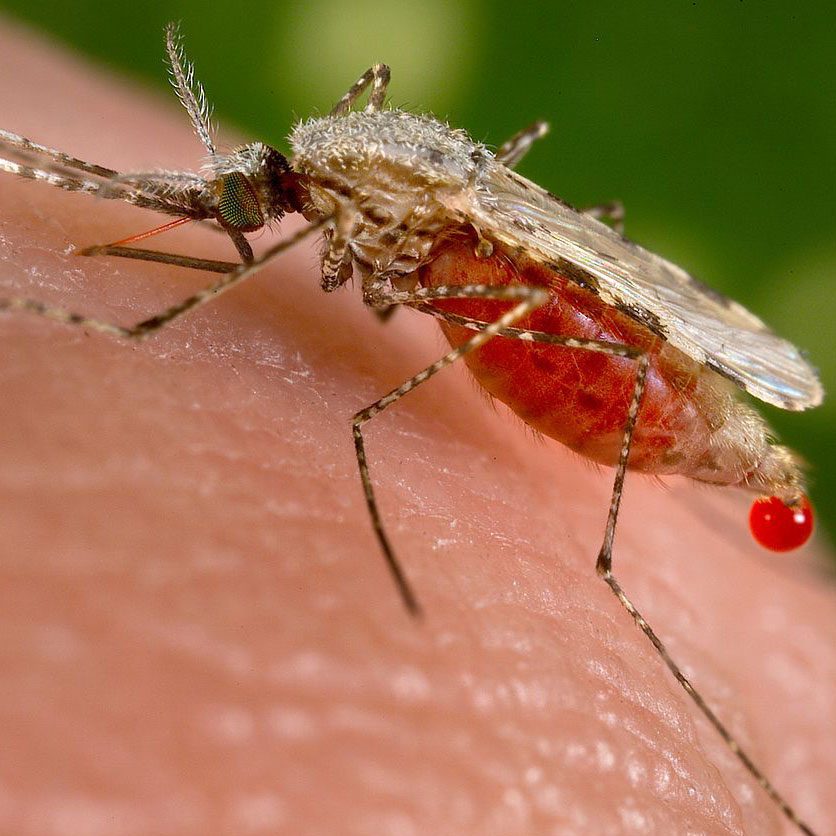
Malaria
Globally in 2023, there were an estimated 263 million malaria cases and 597,000 malaria deaths in 83 countries.
African
Trypanosomiasis
Sustained control efforts have reduced the number of new cases by 97% in the last 20 years, with under 1,000 cases in 2022 (compared to 300,000 cases in 1995). For the period 2016–2020, the population at risk was 55 million people, with only 3 million at moderate-high risk. The WHO Neglected Tropical Diseases Roadmap is targeting 2030 as the interruption of transmission (zero cases).
American
Trypanosomiasis
More than 7 million people worldwide, mostly in Latin America, are estimated to be infected with Trypansosoma cruzi, the parasite that causes Chagas disease.
Leishmaniasis
The leishmaniases are a group of diseases caused by protozoan parasites from more than 20 Leishmania species. These parasites are transmitted to humans by the bites of the infected female phlebotomine sandfly. An estimated 700,000 to 1 million new cases occur annually.
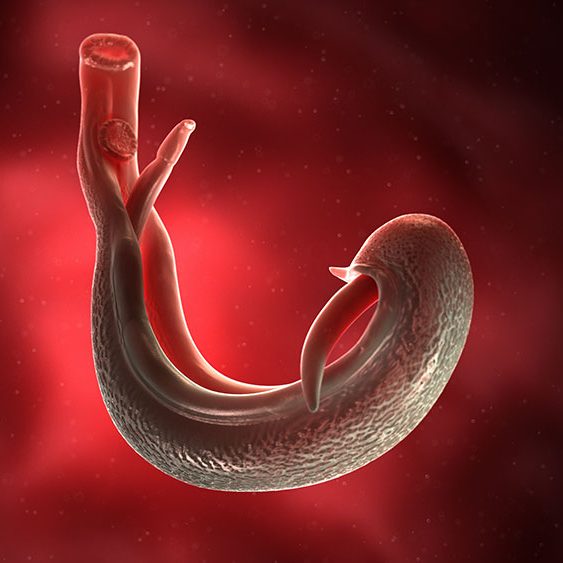
Schistosomiasis
Estimates show that at least 251.4 million people required preventive treatment for schistosomiasis in 2021, out of which more than 75.3 million were reported to have been treated.

Ascariasis
Ascaris infection due to A. lumbricoides occurs worldwide; an estimated 772–892 million people globally are infected.
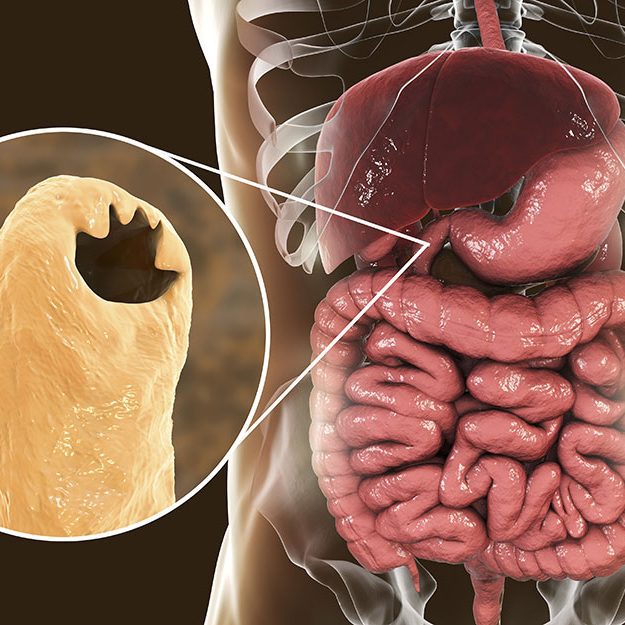
Hookworm
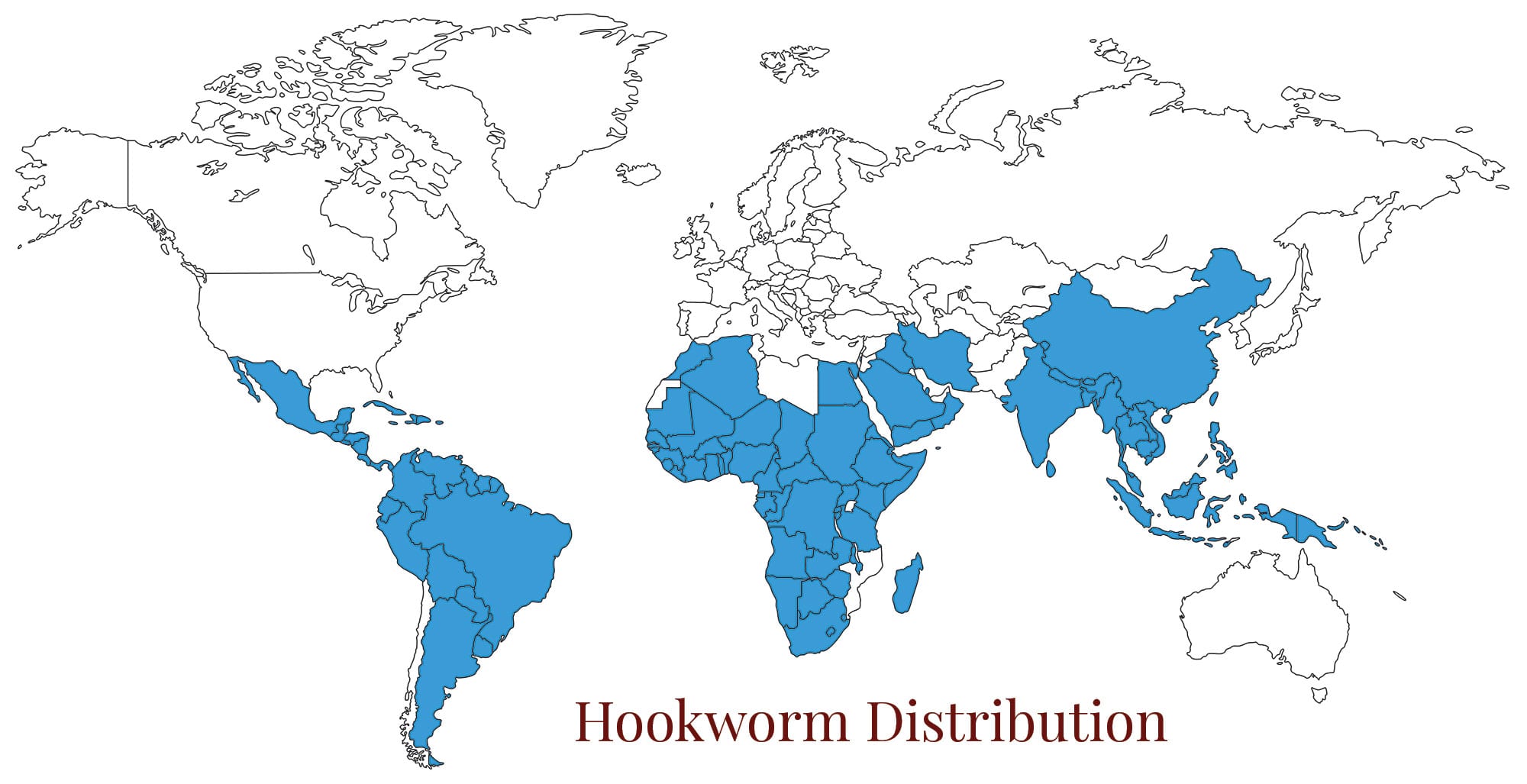
Hookworm is an intestinal parasite most commonly found in tropical and subtropical climates worldwide, particularly in Africa, South East Asia, the Western Pacific, Latin America and the Mediterranean. They infect roughly 406 – 480 million people globally.

Trichuriasis
The whipworm parasite, Trichuris trichiura, is a soil-transmitted helminth. Globally, whipworms infect an estimated 429 – 508 million people.
Malaria
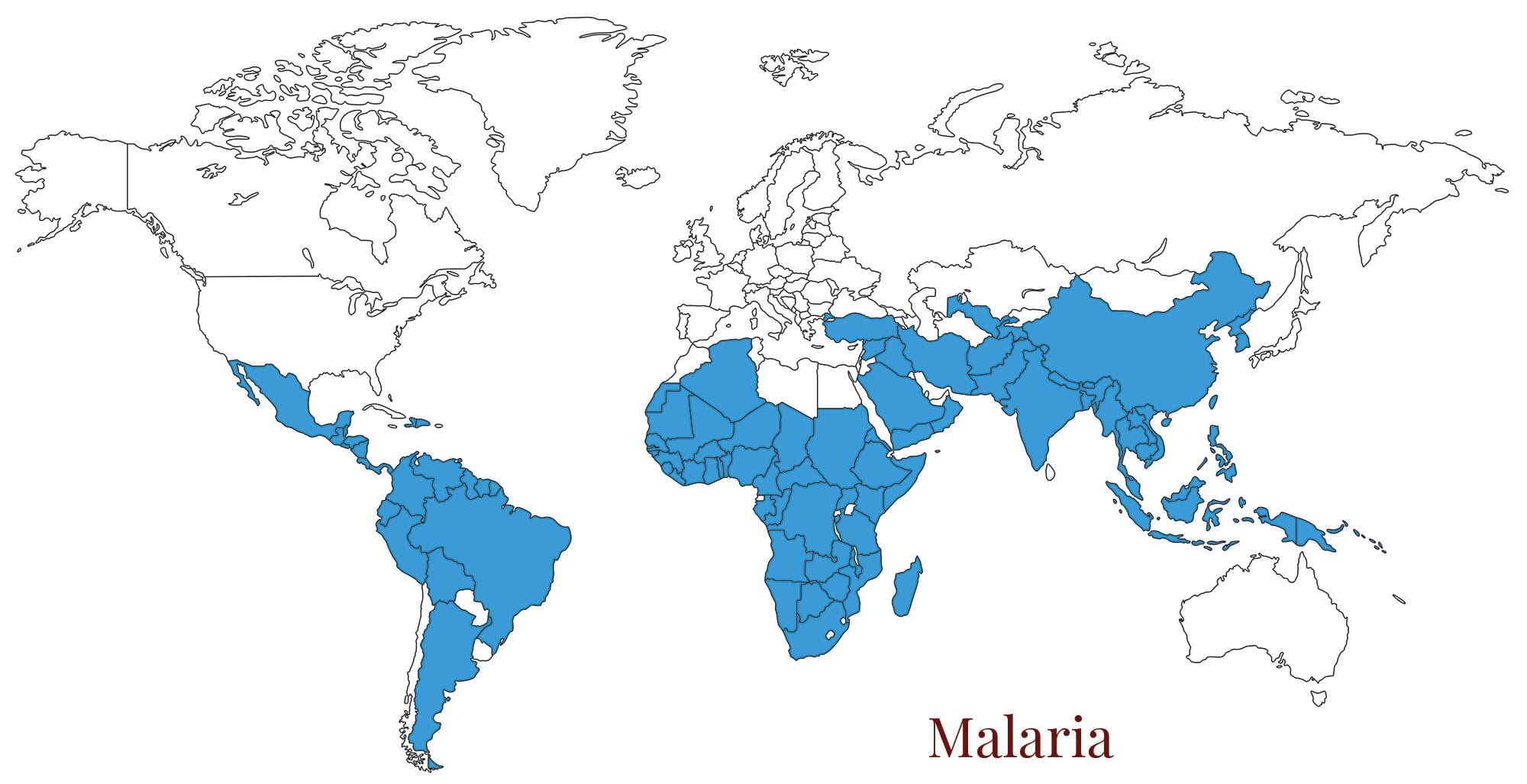
Globally in 2023, there were an estimated 263 million malaria cases and 597,000 malaria deaths in 83 countries. Africa was home to 94% of malaria cases and 95% of malaria deaths. Children under 5 accounted for about 76% of all malaria deaths.
-

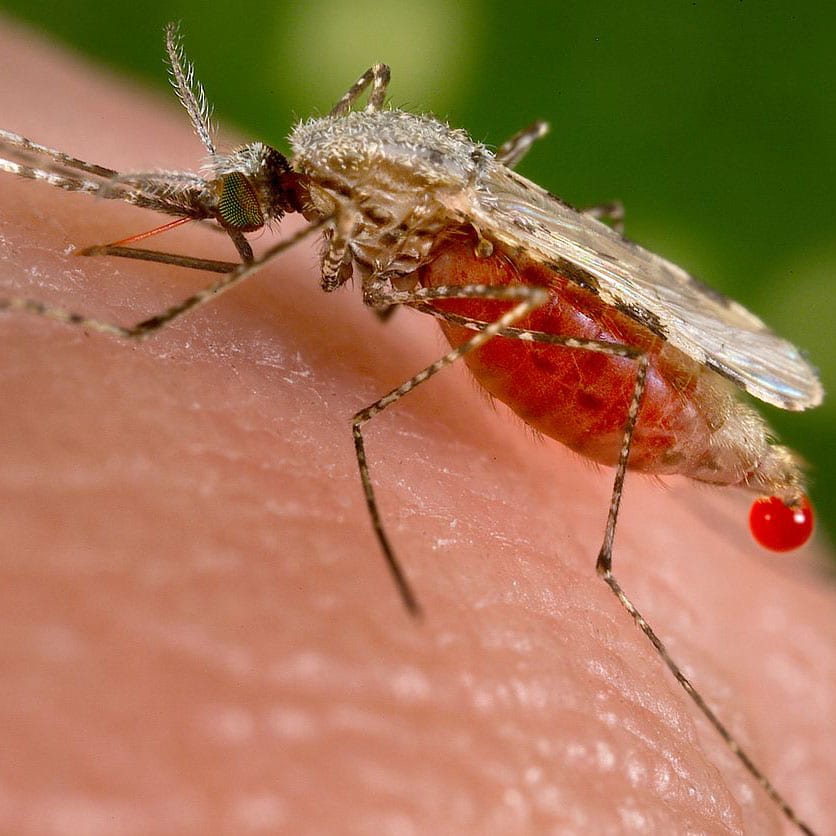
Malaria is usually transmitted through the bites of female Anopheles mosquitoes.
-
Plasmodium falciparum inside red blood cells.

-
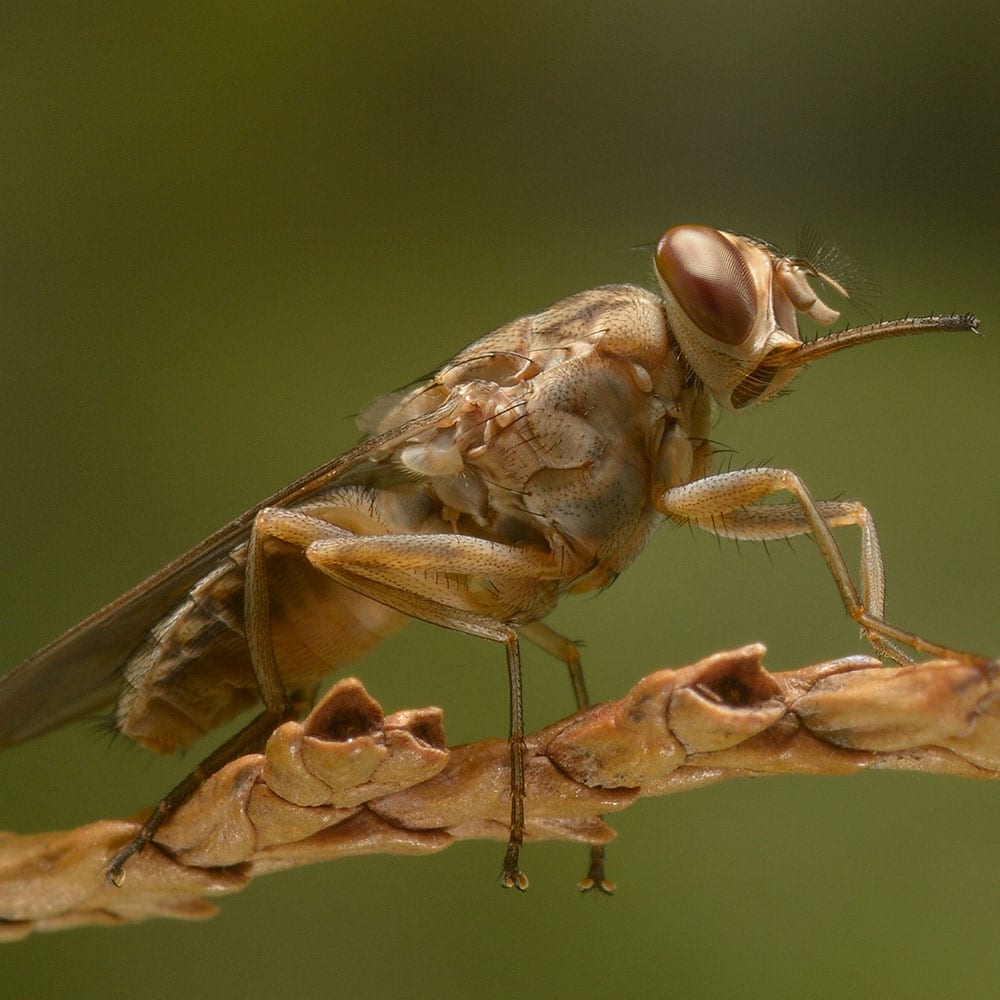
Tsetse flies are the biological vectors of trypanosomes.
-
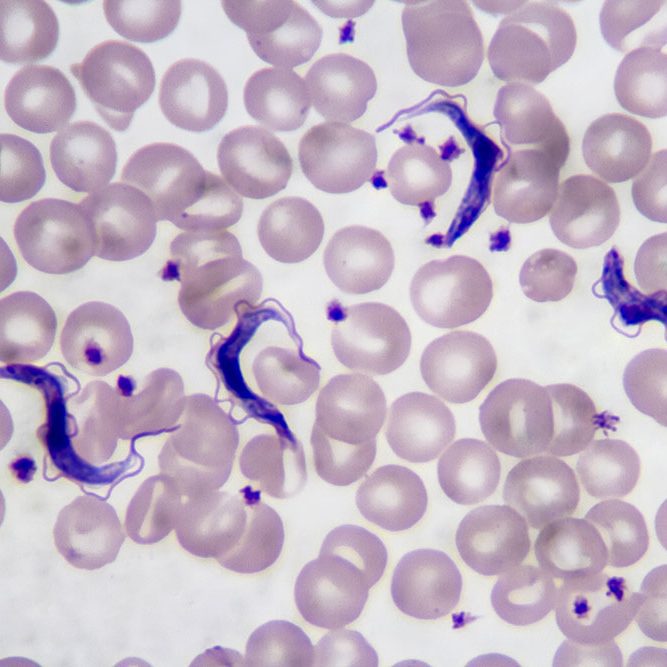
Trypanosoma gambiense blood smear

African Trypanosomiasis
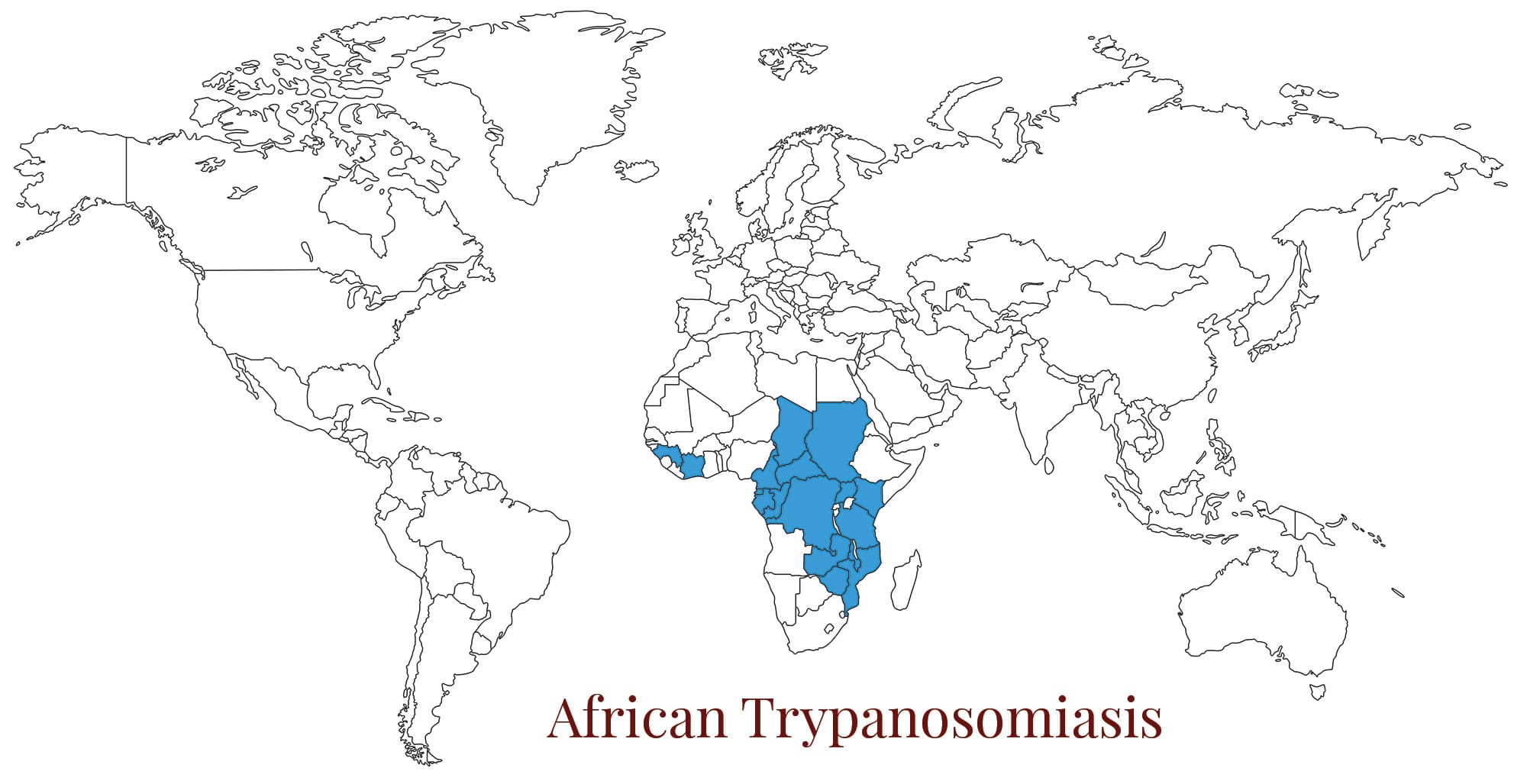
Sustained control efforts have reduced the number of new cases of African Trypanosomiasis (sleeping sickness) by 97% in the last 20 years, with under 1,000 cases in 2022 (compared to 300,000 cases in 1995). It is endemic in sub-Saharan Africa. For the period 2016–2020, the population at risk was 55 million people, with only 3 million at moderate-high risk. The WHO Neglected Tropical Diseases Roadmap targeted for 2020 its elimination as a public health problem, and for 2030 the interruption of transmission (zero cases).
American Trypanosomiasis
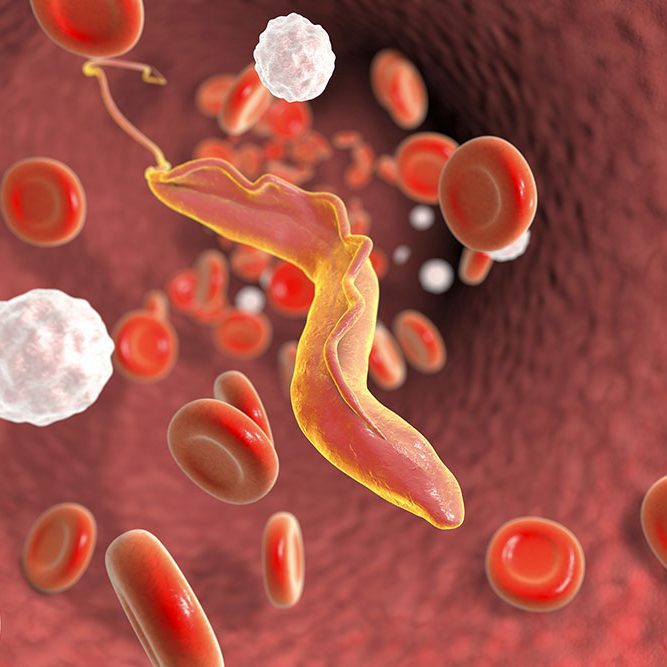
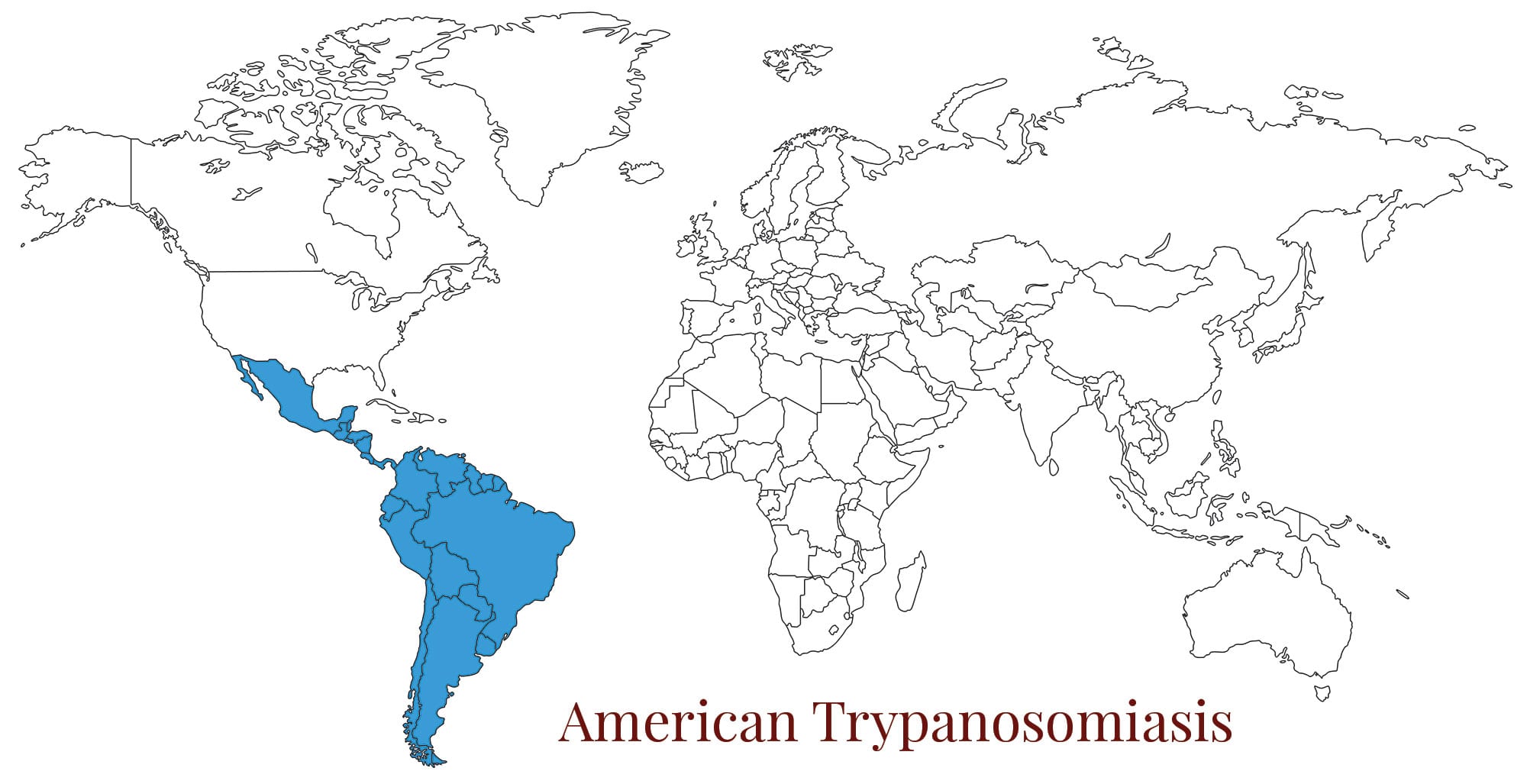
More than 7 million people worldwide, mostly in Latin America, are estimated to be infected with Trypansosoma cruzi, the parasite that causes Chagas disease, leading to more than 10,000 deaths every year. Today, more than 100 million people are considered at risk of infection.
-
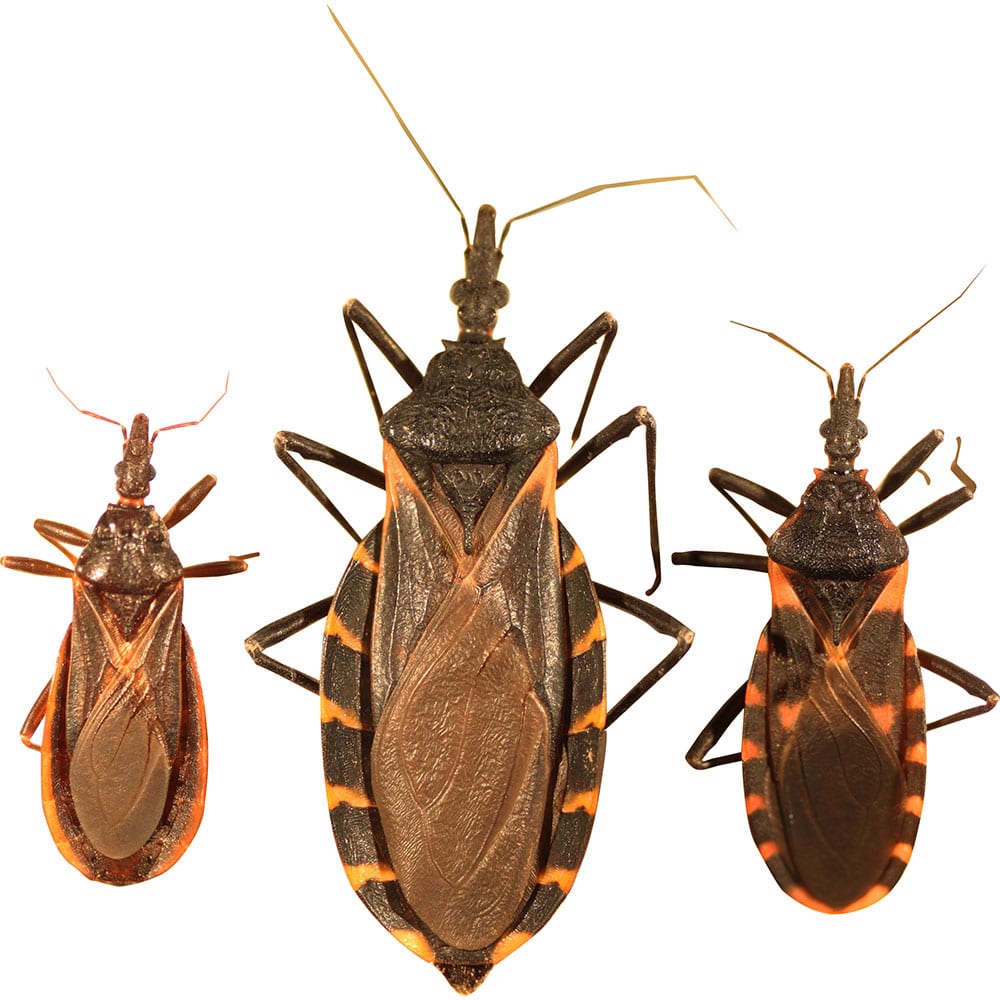
Kissing bugs are vectors of the Chagas disease parasite Trypanosoma cruzi.
-
Trypanosoma cruzi parasite which causes Chagas disease

-
Phlebotomus papatasi sandflies are the primary vectors of leishmaniasis.

-
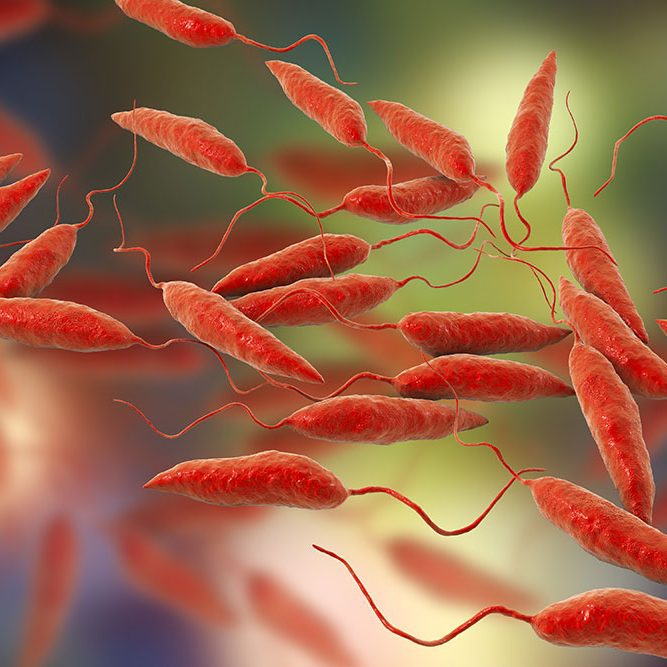
Promastigotes of Leishmania parasite which cause leishmaniasis

Leishmaniasis
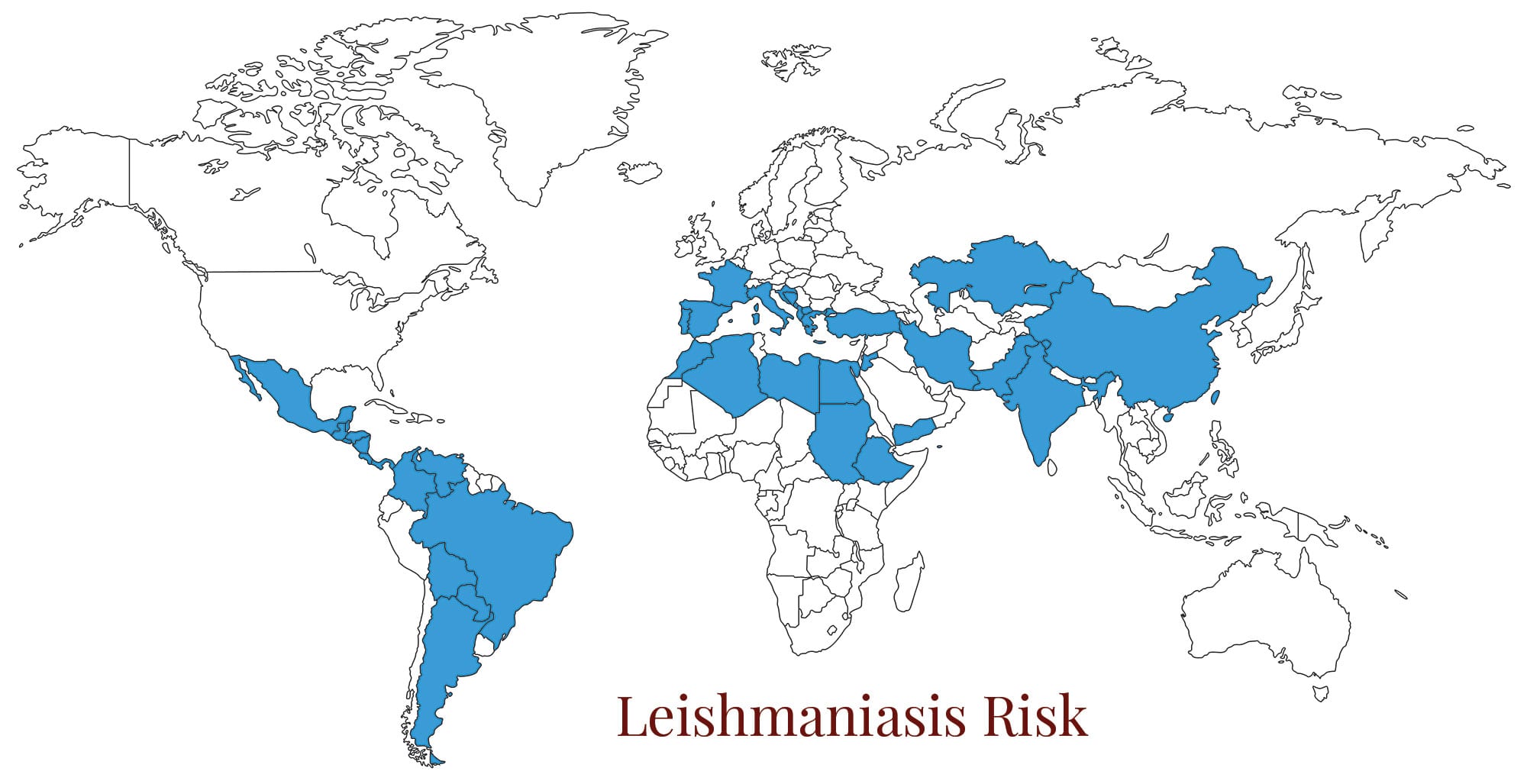
The leishmaniases are a group of diseases caused by protozoan parasites from more than 20 Leishmania species. An estimated 700,000 to 1 million new cases occur annually.
Visceral leishmaniasis (VL),also known as kala-azar, is fatal if left untreated in over 95% of cases. Most cases occur in Brazil, east Africa and India. An estimated 50,000 to 90,000 new cases occur worldwide annually, with only 25–45% reported to the World Health Organization (WHO).
Cutaneous leishmaniasis (CL) is the most common form of leishmaniasis and causes skin lesions, mainly ulcers, on exposed parts of the body, leaving life-long scars and serious disability. About 95% of CL cases occur in the Americas, the Mediterranean Basin, the Middle East and Central Asia. It is estimated that 600,000 to 1 million new cases occur worldwide annually but only around 200,000 are reported to WHO.
Mucocutaneous leishmaniasisleads to the partial or total destruction of mucous membranes of the nose, mouth and throat. Over 90% of mucocutaneous leishmaniasis cases occur in Bolivia (the Plurinational State of), Brazil, Ethiopia and Peru.
Schistosomiasis
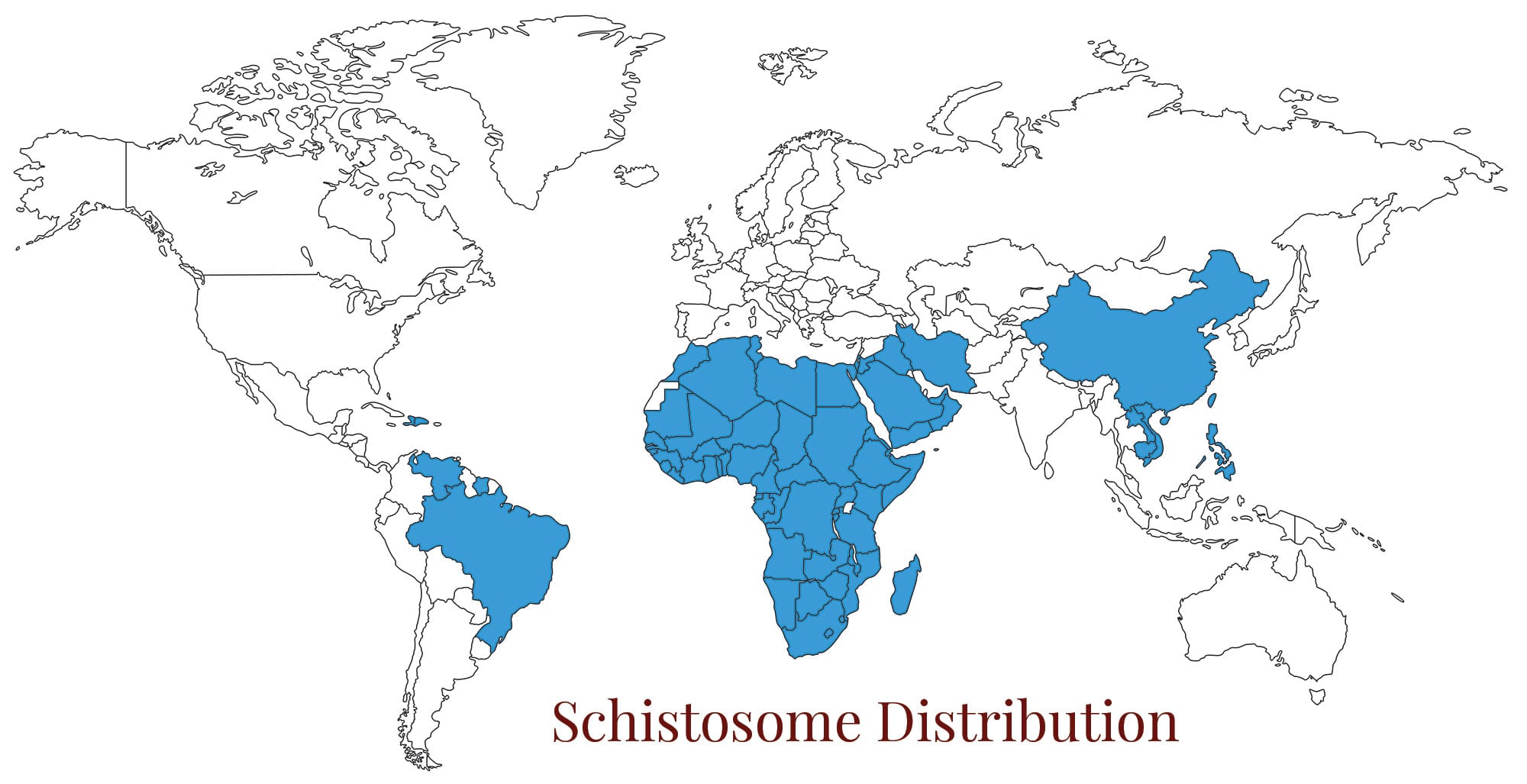
Estimates show that at least 251.4 million people required preventive treatment for schistosomiasis in 2021, out of which more than 75.3 million were reported to have been treated. Schistosomiasis transmission has been reported from 78 countries, and is prevalent in tropical and subtropical areas. It is estimated that at least 90% of those requiring treatment for schistosomiasis live in Africa.
-
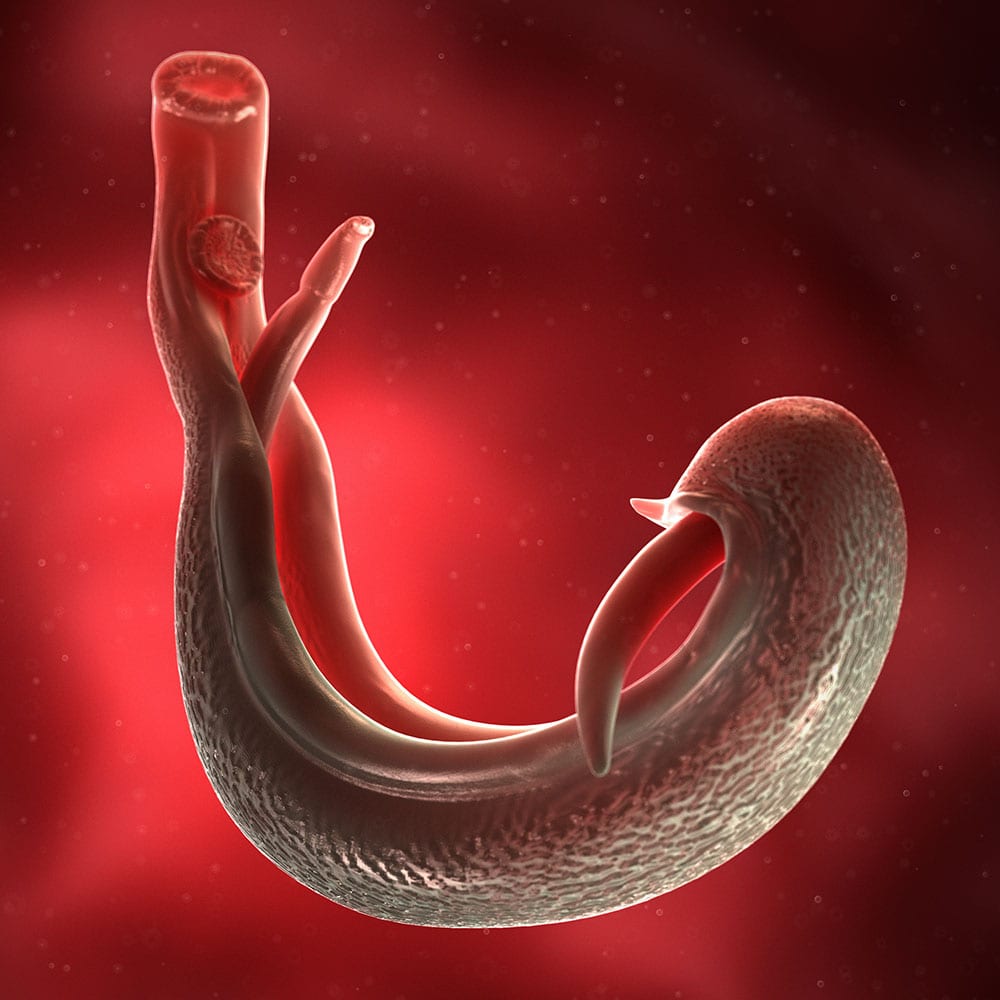
The adult schistosome parasitic flatworm is responsible for schistosomiasis infections.
-
Larvae must pass through an intermediate snail host.

-
Eggs of Ascaris lumbricoides (roundworm) in stool

-
Ascariasis is a disease caused by the parasitic roundworm Ascaris lumbricoides. (Adults)

Ascariasis
Ascaris infection due to A. lumbricoides occurs worldwide with an estimated 772–892 million people globally infected. Most cases occur in tropical and subtropical areas of Asia, sub-Saharan Africa and the Americas. Heavy infections (caused by a high number of worms) are more common in children, can block the intestines and can slow growth in children.
Hookworm
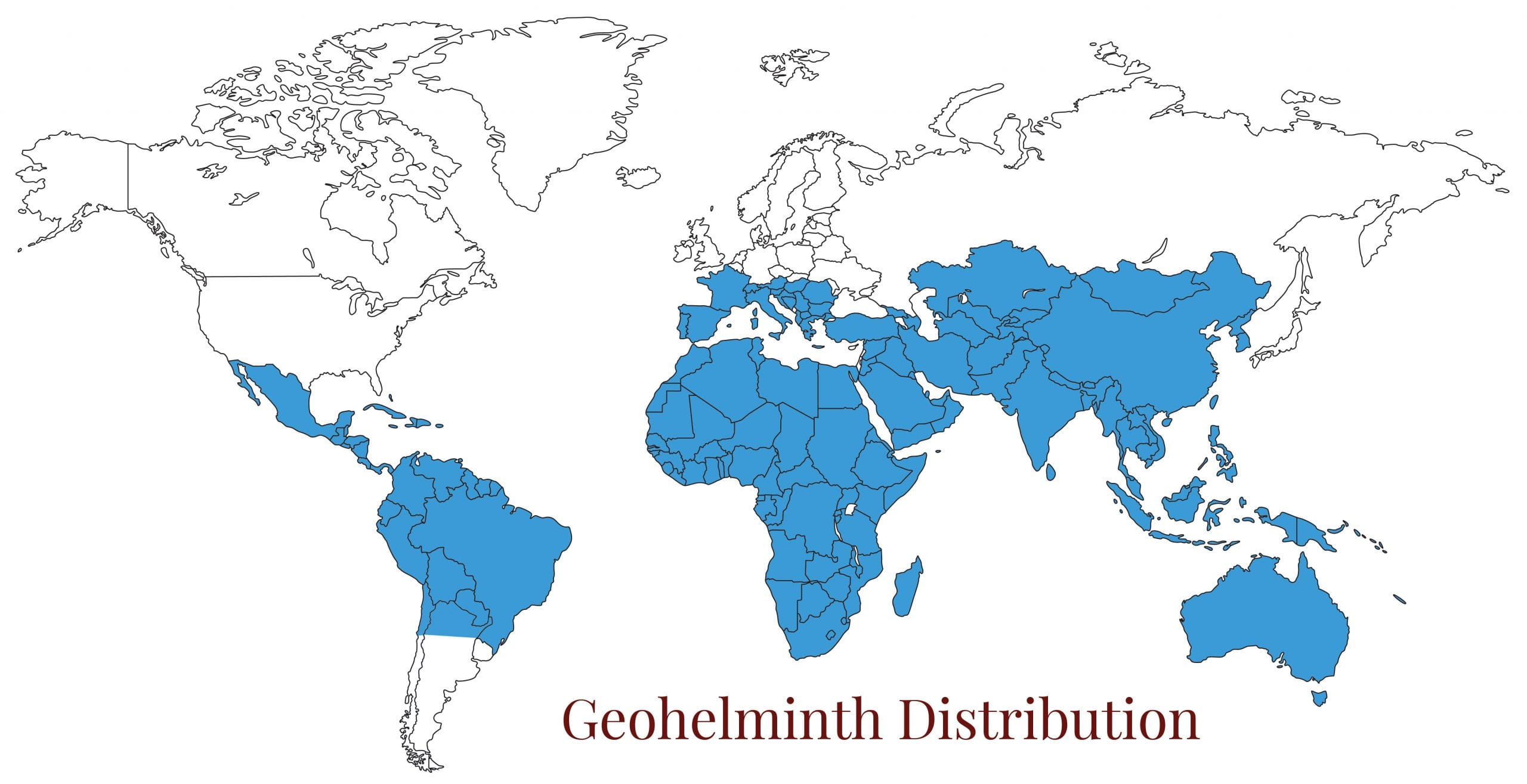
Hookworm is an intestinal parasite most commonly found in tropical and subtropical climates worldwide, particularly in Africa, South East Asia, the Western Pacific, Latin America and the Mediterranean. They infect roughly 406 – 480 million people globally.
-
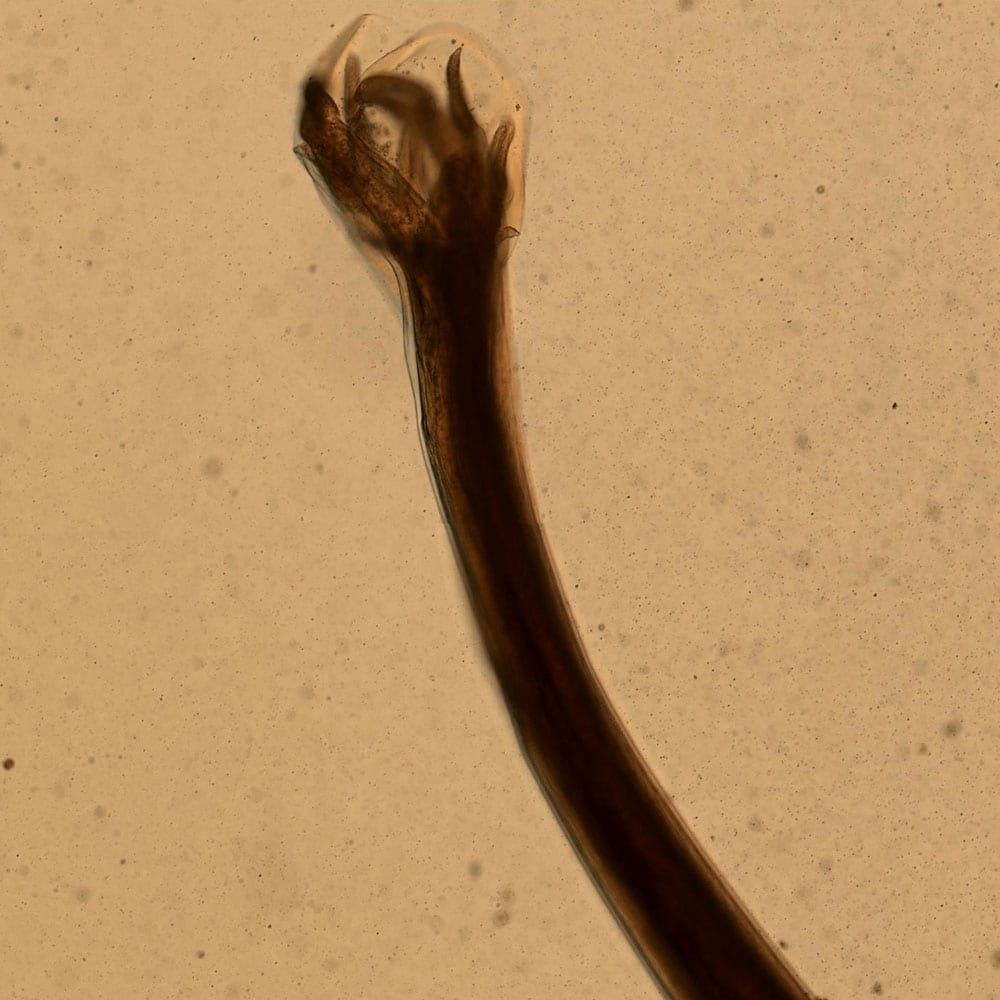
Hookworms are intestinal parasitic roundworms that cause types of infection known as helminthiases.

-
Necator americanus, a species of hookworm, an obligatory parasitic nematode that lives in the small intestine of human hosts
-
Trichuris female adult

-
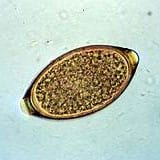
Eggs of the nematode (roundworm) Trichuris trichiura
Trichuriasis
The whipworm parasite, Trichuris trichiura, is a soil-transmitted helminth. Globally, whipworms infect an estimated 429 – 508 million people.
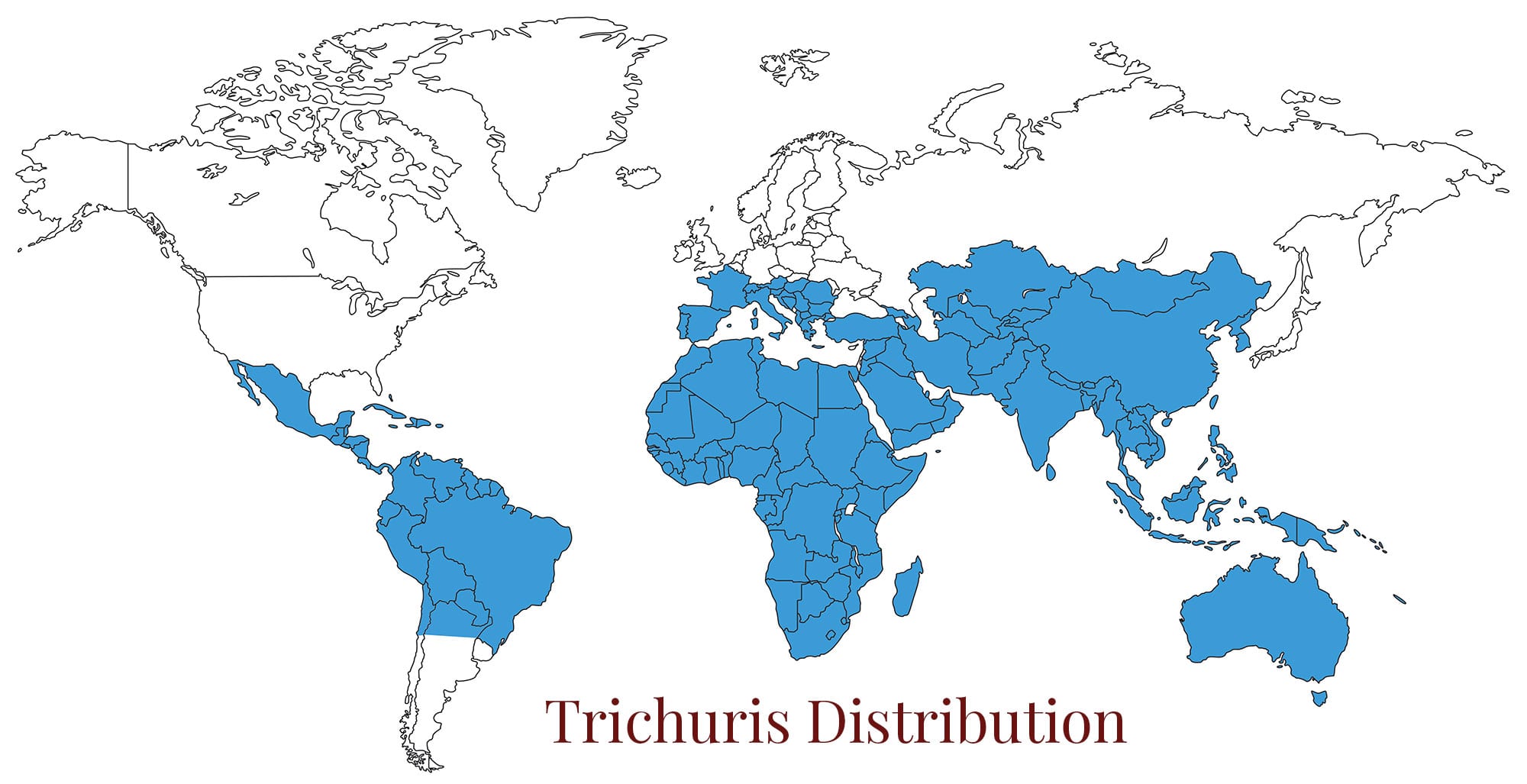
Photo Credits:
- International Atomic Energy Agency [CC BY-SA]
- Curtis-Robles et al. [CC BY]
- - This media comes from the Centers for Disease Control and Prevention's Public Health Image Library (PHIL), with identification number #10277.
- https://www.gbif.org/occurrence/1571554192
- African Trypanosomiasis: Tsetse fly. Source: International Atomic Energy Agency [CC BY-SA 4.0]
- American Trypanosomiasis: Three species of kissing bugs. Source: Curtis-Robles et al.; doi:10.1371/journal.pntd.0004235 [CC BY 4.0]
- Leishmaniasis: Phlebotomus papatasi sandfly. Source: CDC/ Frank Collins, James Gathany, ID#10277.
- "Necator americanus (YPM IZ 097914). Digital Image: Yale Peabody Museum; photo by Daniel J. Drew 2018-06-25" - Necator americanus (Stiles, 1902) (licensed under http://creativecommons.org/publicdomain/zero/1.0/)