Spanish
  English
Enfermedades Parasitarias Mundial
El Problema
El mundo se está haciendo más pequeño. La contracción global es real y está causada por la sobrecarga de información de Internet, CNN, la BBC, NPR, y Al Jazeera, por nombrar algunos. Mientras, la población humana continúa creciendo, exacerbando los problemas no resueltos de la urbanización rápida que está causada por los predecibles efectos adversos del rápido cambio en climático en el medio ambiente. Sin embargo, para algunos de nosotros, especialmente si estamos entre los pocos millones de afortunados, nuestras vidas continuarán sin cambios, enriquecidas por culturas complejas e interesantes. Trabajaremos duro por nuestros ingresos, y lo más importante es que no nos preocuparemos de dónde viene nuestra próxima comida. Siendo física y psicológicamente comprometido por alguna entidad de enfermedad exótica - malaria o esquistosomiasis - parece una posibilidad tan remota como despertarse con un montón de otros problemas que amenazan la vida.
But that is not the way most of the world lives. There are billions of individuals who essentially have no hope of improving their lives without major public health intervention strategies that emanate from outside the borders of the countries in which they live. Their lives are burdened with despair, anticipating yet another outbreak of malaria, or maybe it’s the Ebola virus this time. As a backdrop (i.e., the world into which they were born), there are those things that they simply take for granted and accept, such as contaminated food and water; essentials that they are forced to consume because there are no alternatives. They run a daily gauntlet of organisms that can cause them great harm; these infectious agents are ever-present. They know no borders. The larval form of schistosomes is carried down slow-moving tropical rivers to settlements along its riparian environs. Massive floods – monsoons - supply the water for breeding populations of mosquitoes that carry malaria and Dengue Fever to everyone who lives within the range of the mosquito species that transmit these and other life-threatening agents. Cyclones and typhoons redistribute insect vectors throughout the tropics, not discriminating as to which countries get which mosquito species. That is how Dengue Fever arrived on the doorstep of Bangladesh some years ago. The numbers are staggering – nearly 2 billion people harbor some form of parasite – protozoan or helminth - that inflicts pain and suffering by depriving those unfortunate people the right to a disease-free life. Sanitation is absent from their world. We could not imagine living without all the amenities of a modern Western society. We balk when the lights dim as our air conditioners place undue stress on our somewhat antiquated energy grids. An outbreak of E. coli O157 is cause for headlines in the local newspaper with a call for stricter food inspection laws. No such fuss is ever made where these kinds of problems are encountered each and every day. Water and food are high on a short list of essentials. Disease is an accepted consequence of poverty that must be dealt with as best as they can. Death from a wide spectrum of infectious agents is a familiar spectre to those whose lives define the ecology of life in the poorest of environments, be they rural or urban.
-

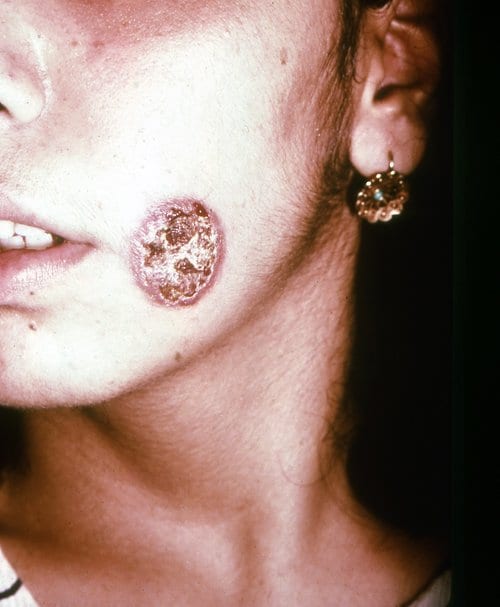
Leishmaniasis cutánea, una lesión vieja.
-
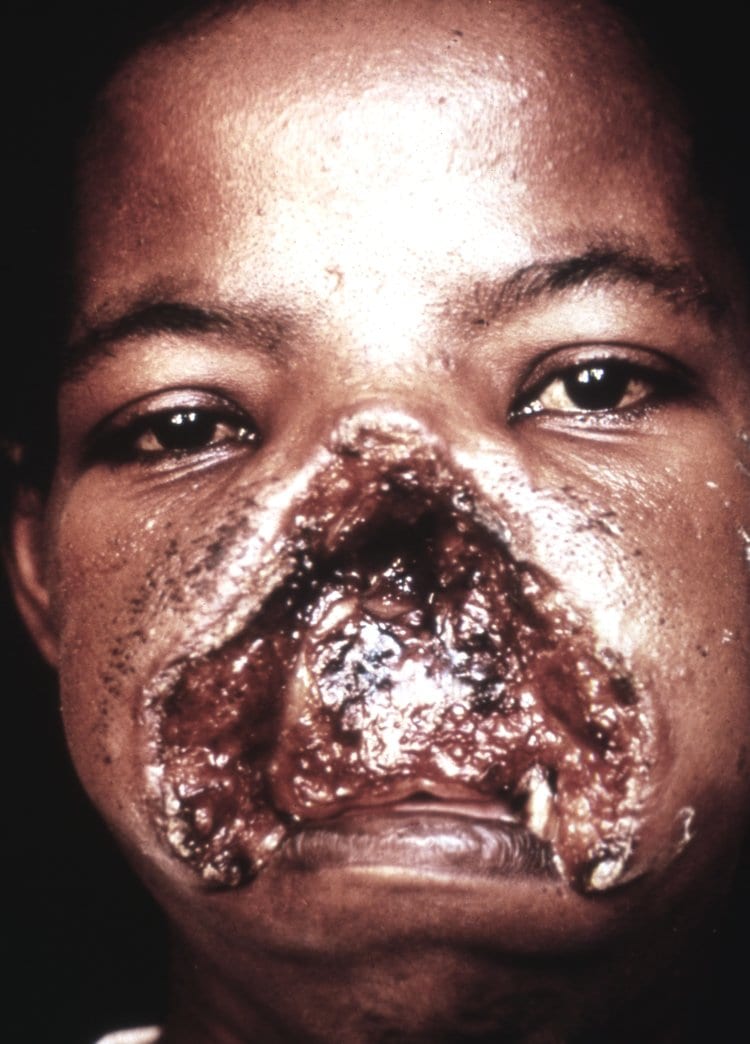
Espundia - leishmaniosis mucocutánea grave.
-
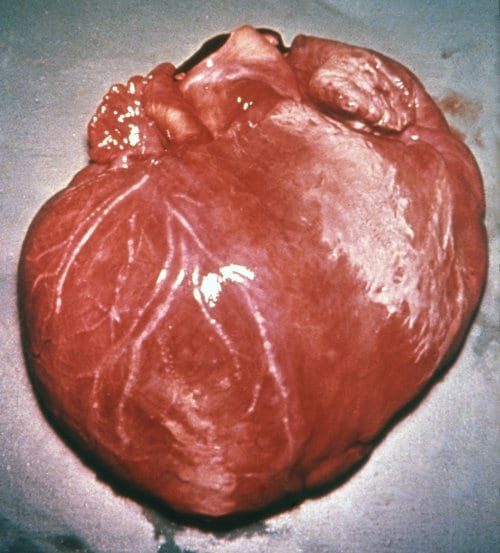
Trypanosoma cruzi - caso fatal.
-
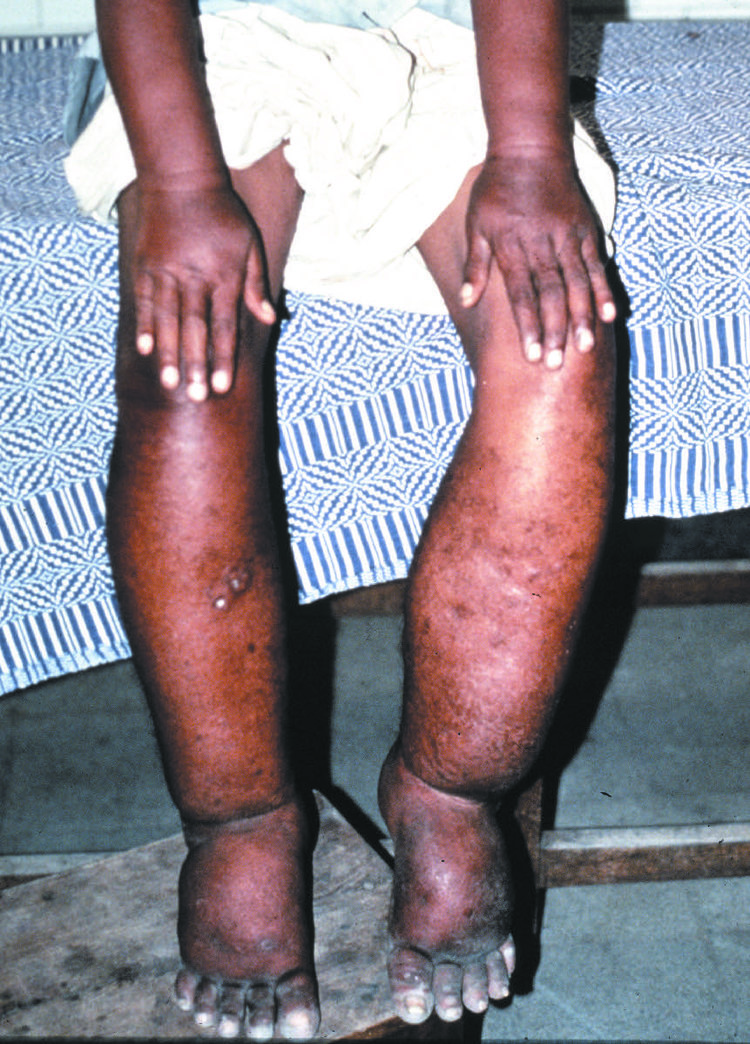
La elefantiasis debida a la infección con Wuchereria bancrofti.
-
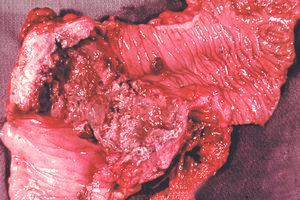
Úlceras en forma de frasco debido a Entamoeba histolítica - caso fatal.
-
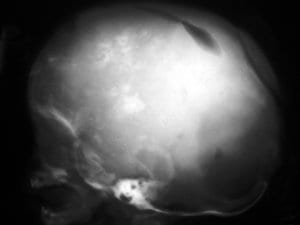
Toxoplasmosis congénita - placas calcificadas.
-
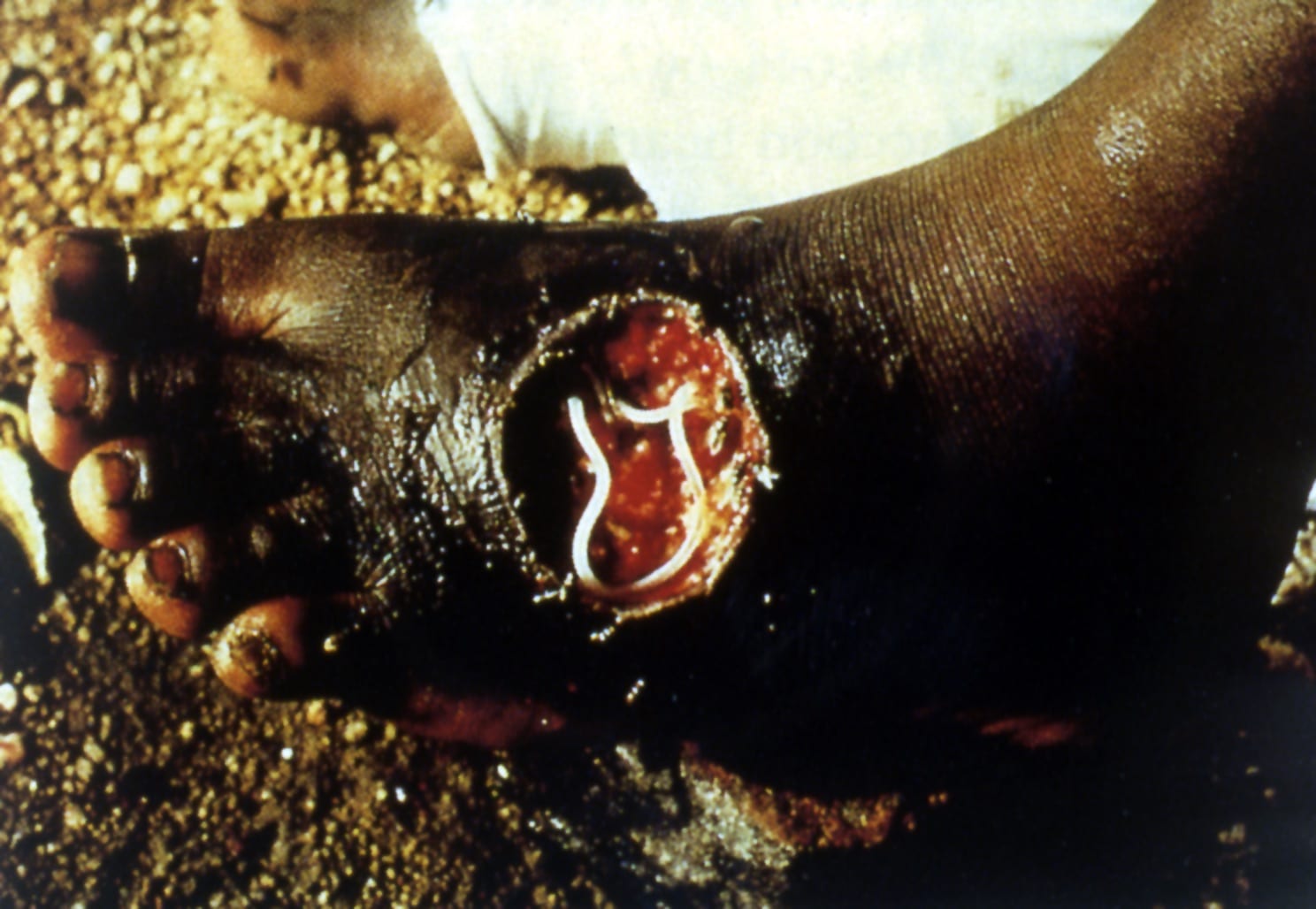
Caso agudo de Dracunculus medinensis.
-
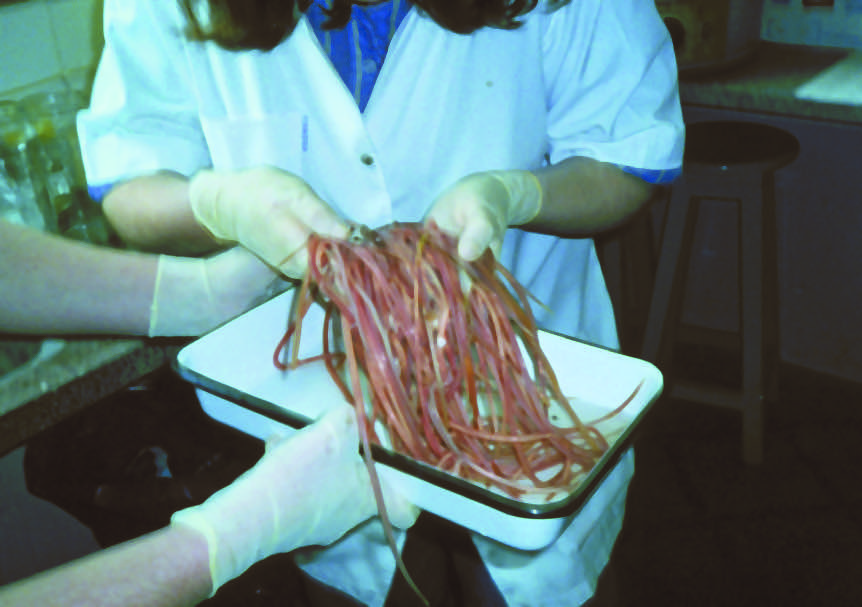
Ascaris lumbricoides adultos quitaron de un paciente singular.
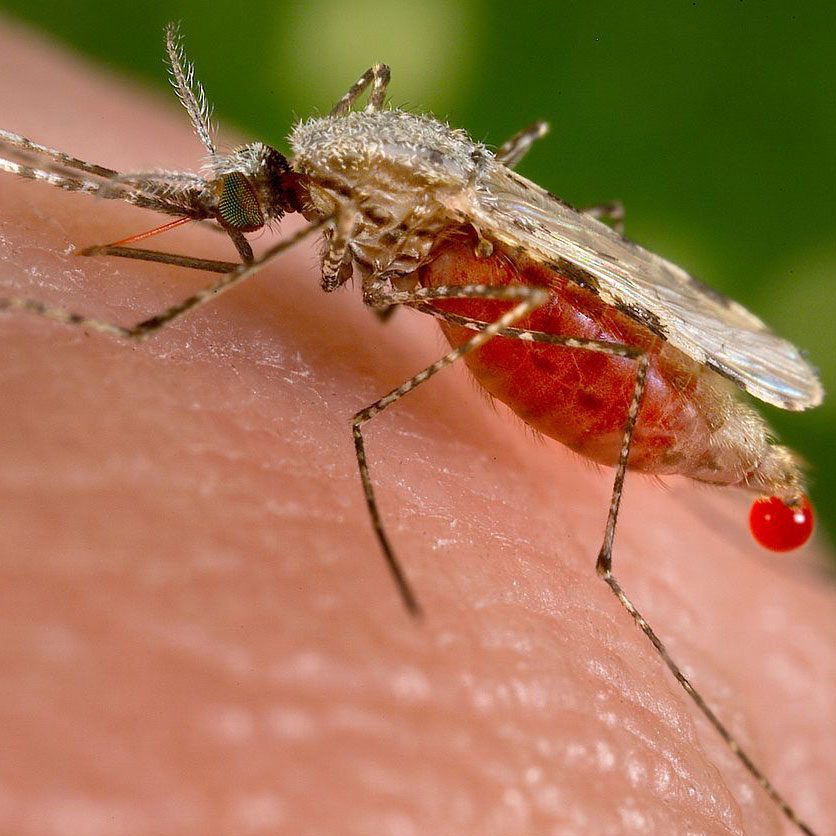
Malaria
Globally in 2023, there were an estimated 263 million malaria cases and 597,000 malaria deaths in 83 countries.
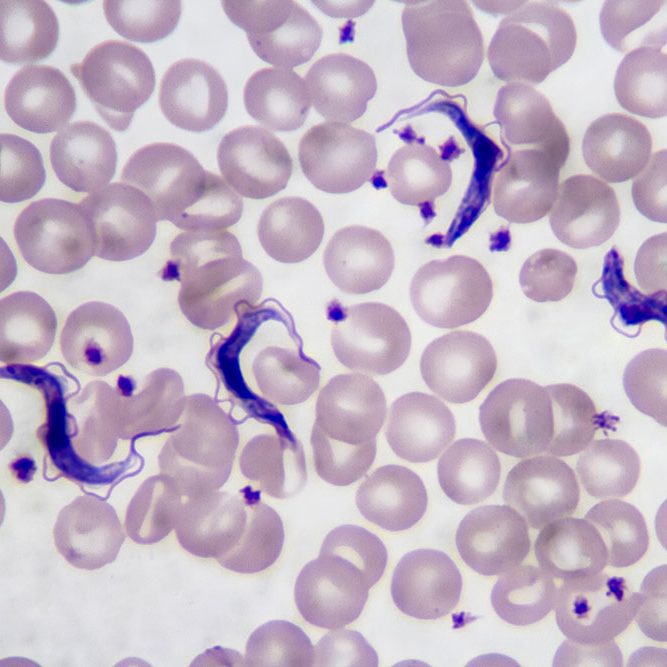
Tripanosomiasis
africana
Sustained control efforts have reduced the number of new cases by 97% in the last 20 years, with under 1,000 cases in 2022 (compared to 300,000 cases in 1995). For the period 2016–2020, the population at risk was 55 million people, with only 3 million at moderate-high risk. The WHO Neglected Tropical Diseases Roadmap is targeting 2030 as the interruption of transmission (zero cases).
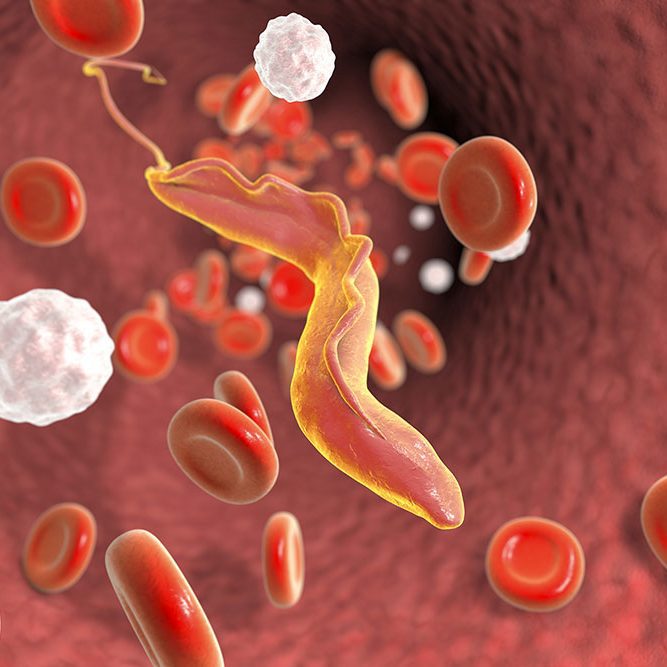
Tripanosomiasis
americana
More than 7 million people worldwide, mostly in Latin America, are estimated to be infected with Trypansosoma cruzi, the parasite that causes Chagas disease.
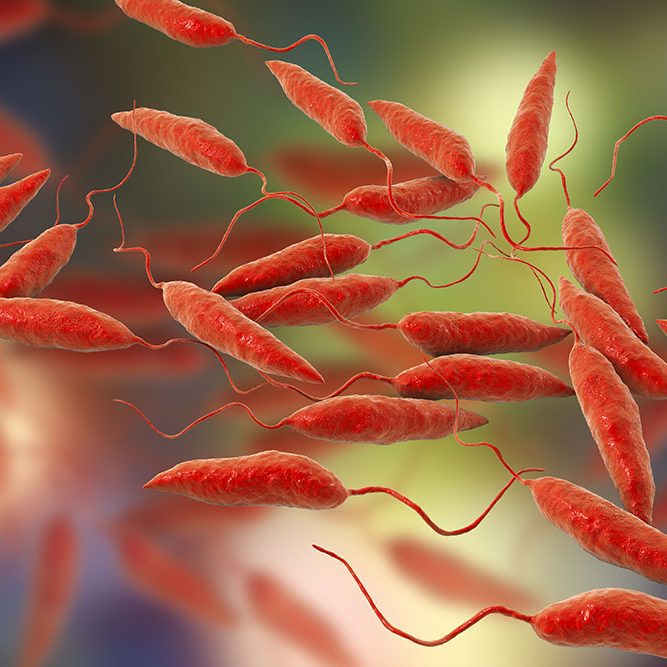
Leishmaniasis
Las leishmaniasis son un grupo de enfermedades causadas por parásitos protozoarios de más de 20 Leishmania species. These parasites are transmitted to humans by the bites of the infected female phlebotomine sandfly. An estimated 700,000 to 1 million new cases occur annually.
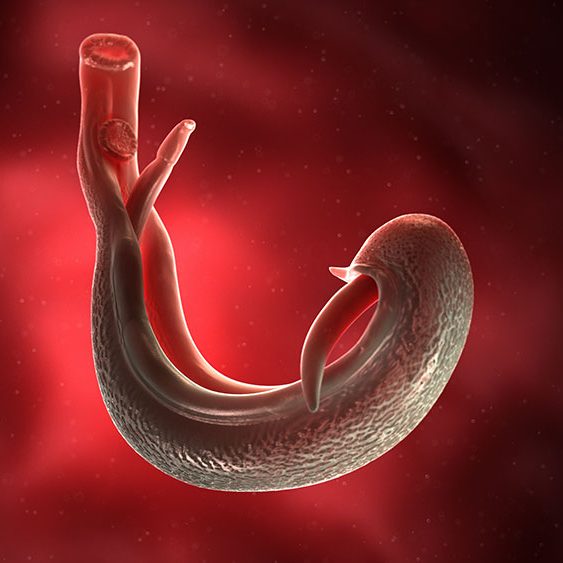
Esquistosomiasis
Estimates show that at least 251.4 million people required preventive treatment for schistosomiasis in 2021, out of which more than 75.3 million were reported to have been treated.

Ascariasis
Infección por Ascaris debido a A. lumbricoides occurs worldwide; an estimated 772–892 million people globally are infected.
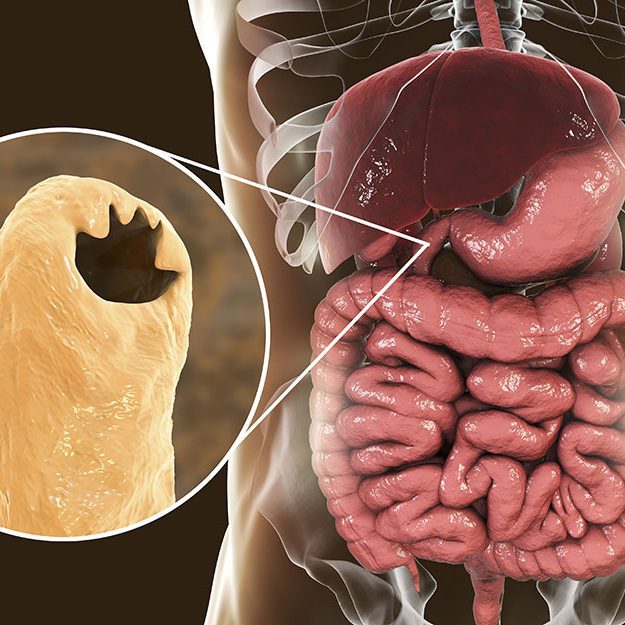
Anquilostoma
Hookworm is an intestinal parasite most commonly found in tropical and subtropical climates worldwide, particularly in Africa, South East Asia, the Western Pacific, Latin America and the Mediterranean. They infect roughly 406 – 480 million people globally.
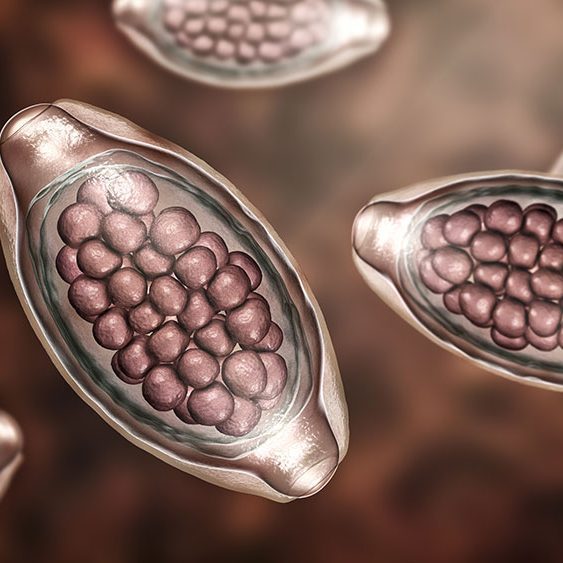
Tricuriasis
The whipworm parasite, Trichuris trichiura, is a soil-transmitted helminth. Globally, whipworms infect an estimated 429 – 508 million people.
Aprende Más
sobre cuántas personas sufren de estas infecciones que amenazan la vida.