Spanish
  English
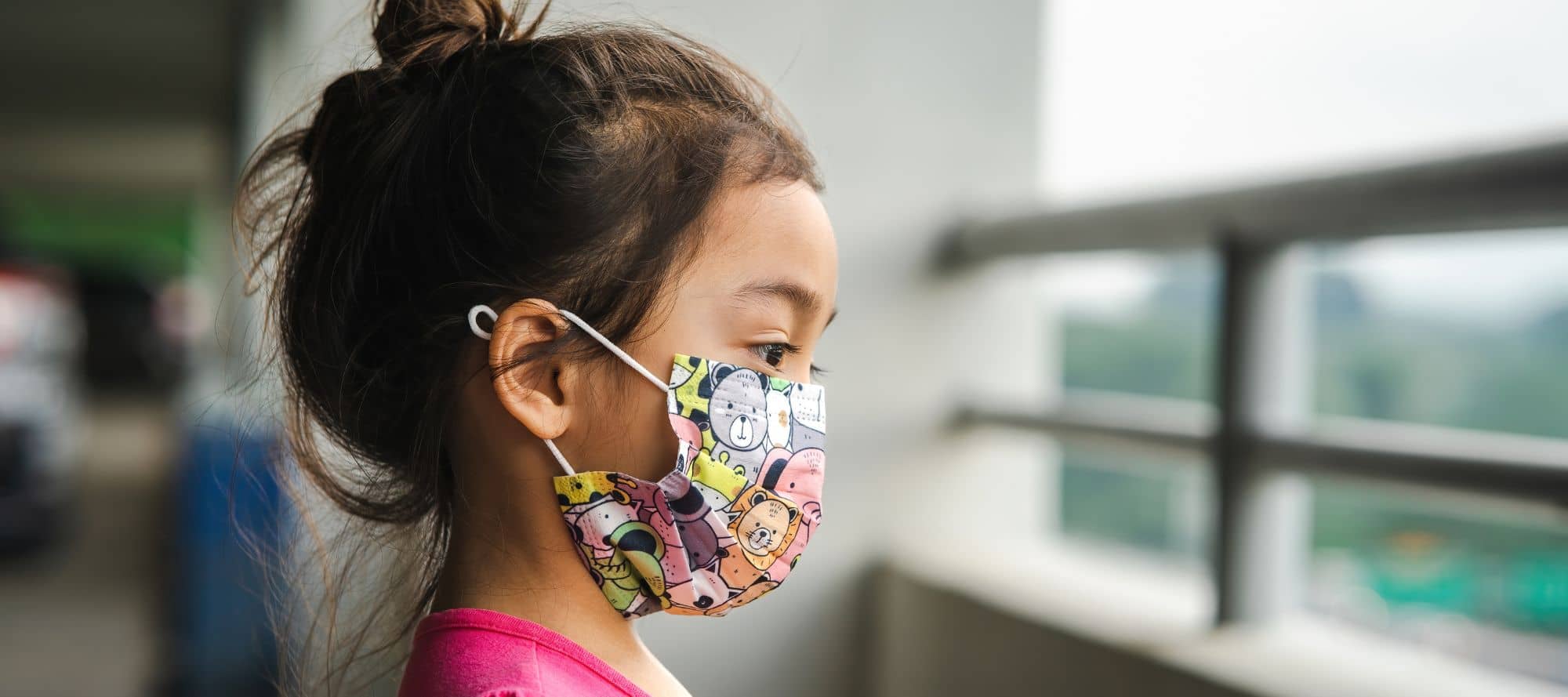
Children with Post COVID-19 Multisystem Inflammatory Syndrome Display Unique Pathophysiological Metabolic Phenotypes
Investigators conducted metabolic profiling of 147 children’s serum samples, including acute COVID-19 patients, MIS-C patients, and healthy controls. Using nuclear magnetic resonance spectroscopy and liquid chromatography–mass spectrometry, they measured 1,101 metabolites. The results revealed distinct metabolic profiles in acute COVID-19 and MIS-C patients, with significant alterations in lipids and increased serum inflammatory markers. Despite milder clinical respiratory symptoms, children’s metabolic disturbances mirrored those seen in severe adult COVID-19 patients, indicating a shared inflammatory response to SARS-CoV-2. This suggests potential long-term health impacts, underscoring the need for continued research into the metabolic consequences of COVID-19 in children. Authors state: “The persistence of inflammatory and cardiovascular markers postinfection raises concerns about long-term health impacts, underscoring the need for vigilant monitoring, potential interventions, and further studies to understand the lasting effects of SARS-CoV-2 infection on pediatric health.”
Stellate Ganglion Block for the Treatment of COVID-19-Induced Parosmia: A Randomized Clinical Trial
This is a randomized, double-blinded, placebo-controlled clinical trial conducted from October 2023 to September 2024 at a single center study (the Washington University in St Louis/Barnes Jewish Hospital). A volunteer sample of 192 individuals were screened; 57 were enrolled after meeting eligibility criteria. The study evaluated 48 participants, 32 randomized to stellate ganglion block (SGB) (median [range] age, 45 [19-64] y; 25 [81%] female), and 16 to placebo (median [SD] age, 45 [26-64] y; 13 [81%] female). Under ultrasound guidance, a 21-gauge ultrasonography needle was advanced in-plane in the prevertebral fascia above the longus coli muscle. Then, injection of 6 to 8 mL of mepivacaine, 1.0% (active group), or saline, 0.9% (placebo group) was administered around the stellate ganglion. Time since COVID-19 infection was similar between groups (SGB, 35.3 vs placebo, 30.6 months; MD = −3.1 months; 95% CI, −10.9 to 3.7). Three-month response rate was 43% (n = 13) for SGB and 38% (n = 6) for placebo (difference, −5%; 95% CI, −32% to 33%). There was no between-group difference in clinical global impression of improvement. They conclude: The trial found that SGB is not superior to placebo in treating COVID-19−induced parosmia, and thus, should not be recommended as treatment.
Situation Dashboards

World Health Organization (WHO)

Johns Hopkins University (JHU)

COVID-19 in US and Canada